
- Home
- Retirement
- Retirement Planning
Spring is here, but so are the bills. From HVAC tune-ups to surging travel costs, here are 6 hidden expenses retirees must plan for in 2026.
 By
Donna Fuscaldo
published
7 April 2026
in Features
By
Donna Fuscaldo
published
7 April 2026
in Features
When you purchase through links on our site, we may earn an affiliate commission. Here’s how it works.
- Copy link
- X
Profit and prosper with the best of Kiplinger's advice on investing, taxes, retirement, personal finance and much more. Delivered daily. Enter your email in the box and click Sign Me Up.
Contact me with news and offers from other Future brands Receive email from us on behalf of our trusted partners or sponsors By submitting your information you agree to the Terms & Conditions and Privacy Policy and are aged 16 or over.You are now subscribed
Your newsletter sign-up was successful
Want to add more newsletters?

Delivered daily
Kiplinger Today
Profit and prosper with the best of Kiplinger's advice on investing, taxes, retirement, personal finance and much more delivered daily. Smart money moves start here.
Signup +
Sent five days a week
Kiplinger A Step Ahead
Get practical help to make better financial decisions in your everyday life, from spending to savings on top deals.
Signup +
Delivered daily
Kiplinger Closing Bell
Get today's biggest financial and investing headlines delivered to your inbox every day the U.S. stock market is open.
Signup +
Sent twice a week
Kiplinger Adviser Intel
Financial pros across the country share best practices and fresh tactics to preserve and grow your wealth.
Signup +
Delivered weekly
Kiplinger Tax Tips
Trim your federal and state tax bills with practical tax-planning and tax-cutting strategies.
Signup +
Sent twice a week
Kiplinger Retirement Tips
Your twice-a-week guide to planning and enjoying a financially secure and richly rewarding retirement
Signup +
Sent bimonthly.
Kiplinger Adviser Angle
Insights for advisers, wealth managers and other financial professionals.
Signup +
Sent twice a week
Kiplinger Investing Weekly
Your twice-a-week roundup of promising stocks, funds, companies and industries you should consider, ones you should avoid, and why.
Signup +
Sent weekly for six weeks
Kiplinger Invest for Retirement
Your step-by-step six-part series on how to invest for retirement, from devising a successful strategy to exactly which investments to choose.
Signup + An account already exists for this email address, please log in. Subscribe to our newsletter

Spring is in the air, but if you aren't careful, it can drain your wallet. That's particularly true for retirees on a fixed income who haven't planned for the additional expenses that crop up as flowers bloom and the weather gets warmer.
"Spring often brings a cluster of expenses. These expenses can surprise and affect almost everyone to some degree, but retirees may feel it more because of their fixed income," says Tiana Patillo, financial advisor manager at Vanguard. "That makes planning even more important, because unanticipated seasonal costs may require drawing more heavily from savings or investment accounts."
It's not just the bags of mulch and HVAC tune-up either. Spring also ushers in a wave of social obligations that can catch a fixed budget off guard.
From just $107.88 $24.99 for Kiplinger Personal Finance
Become a smarter, better informed investor. Subscribe from just $107.88 $24.99, plus get up to 4 Special Issues
CLICK FOR FREE ISSUE
Sign up for Kiplinger’s Free Newsletters
Profit and prosper with the best of expert advice on investing, taxes, retirement, personal finance and more - straight to your e-mail.
Profit and prosper with the best of expert advice - straight to your e-mail.
Sign upFrom home maintenance to health and wellness, here's a look at 6 unexpected seasonal expenses and how you can manage them without derailing your retirement.
6 hidden spring expenses quietly draining your retirement fund
1. Home maintenance
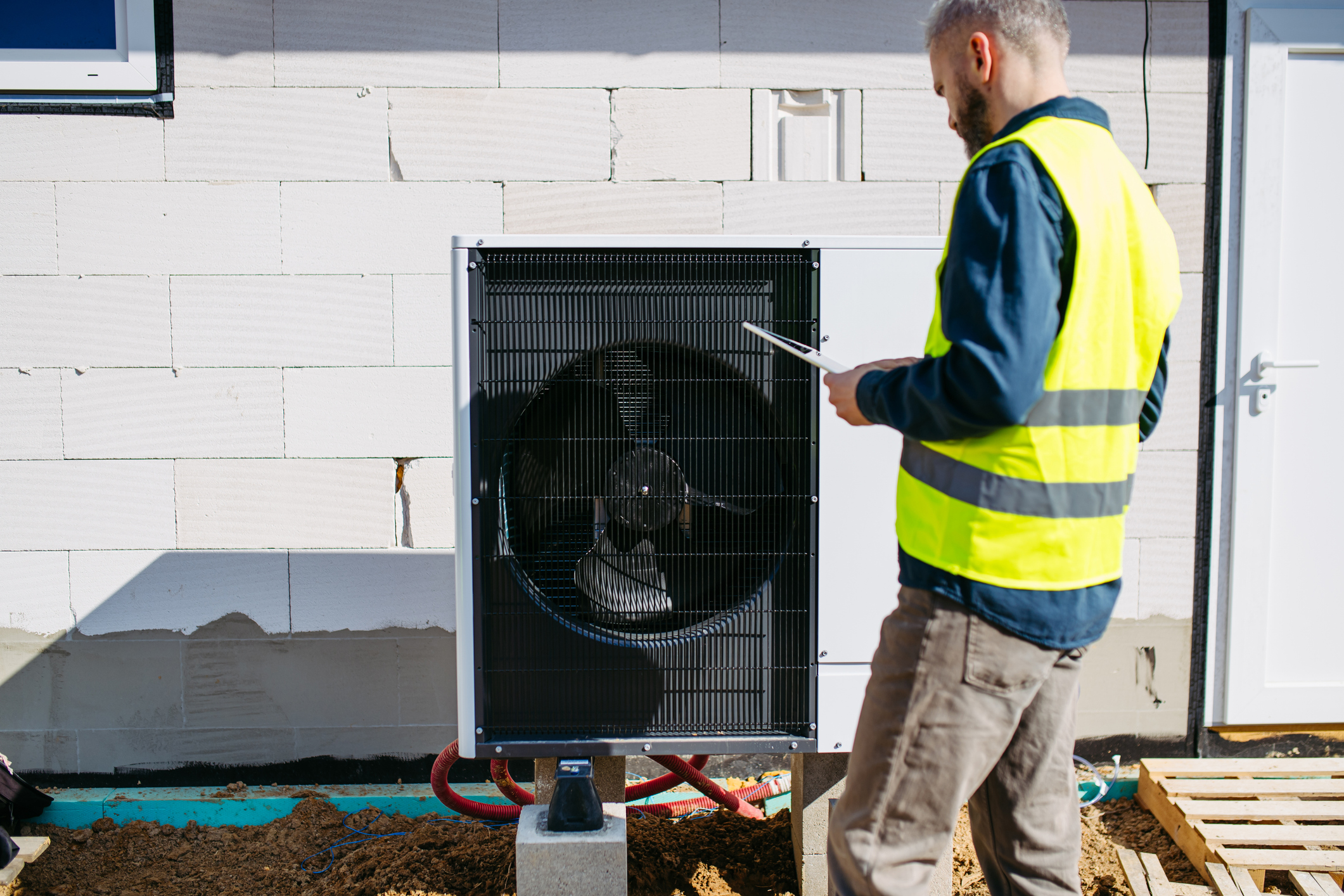
When it comes to unexpected spring expenses, home maintenance is a big one. From tending to the lawn to ensuring the HVAC is working, numerous things could require TLC — and thus money — after the winter.
After all, many people, especially if they live in a colder climate, tend to hunker down during the winter and then survey the damage once the weather is warmer. For retirees, it presents an additional challenge if they aren't able to do the work themselves.
"Common spring expenses often begin with home and property upkeep, such as HVAC servicing, roof or gutter repairs after winter weather, landscaping, pest control, or even preparing a vacation or second home for use," says Patillo.
The average cost to service an HVAC is around $175 to $350, while professional lawn maintenance can cost $100 to $500 per month, depending on the size of the yard and frequency of care. If you need to replace your air conditioning, fix the gutters or repair a roof, it can set you back thousands of dollars.
2. Travel
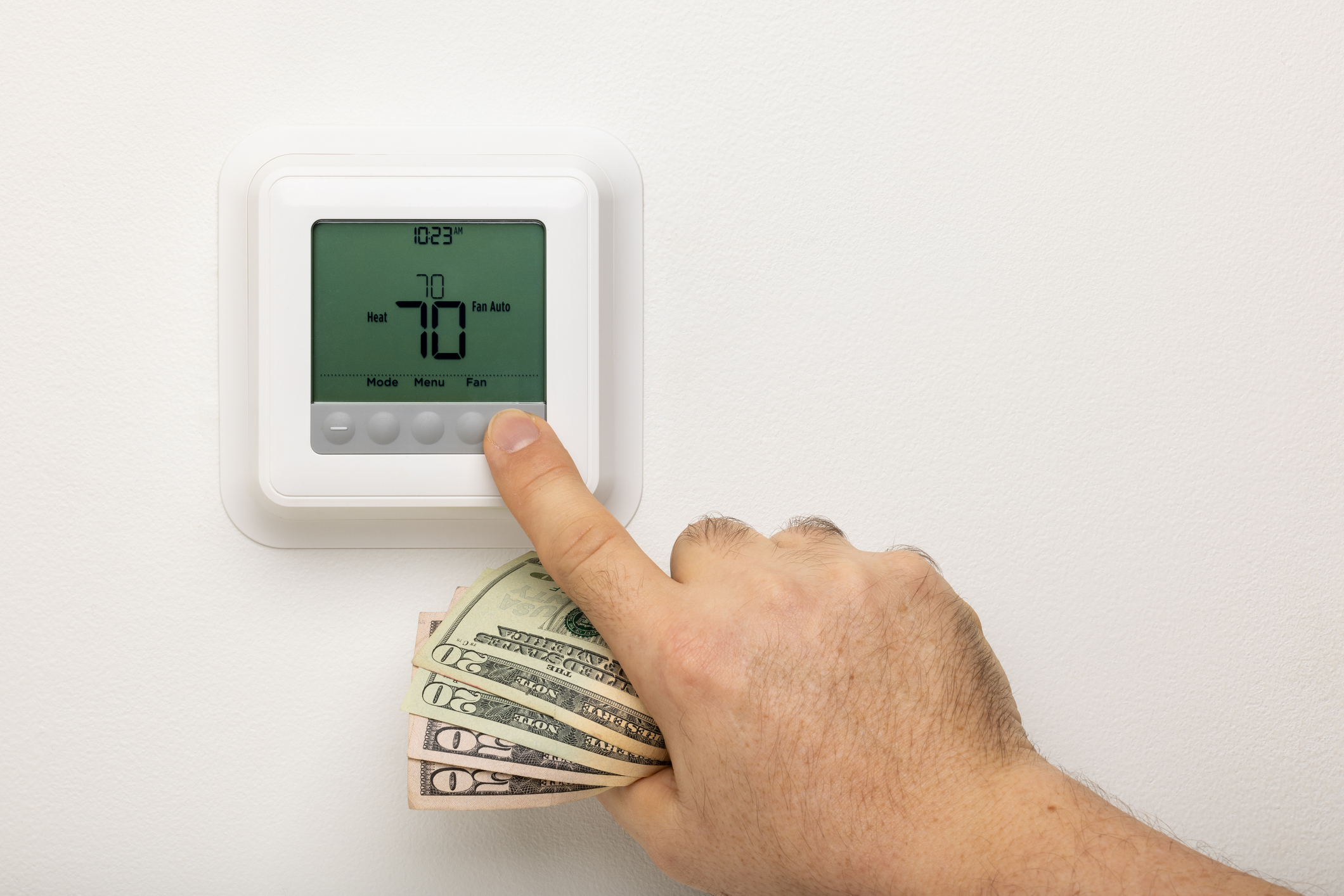
Whether you're visiting the grandkids or are setting out for a bucket-list trip, spring is a popular time for retirees to travel. But with this comes a lot of expenses that could be higher than previously thought.
That's particularly true in the current environment, when oil prices are surging and geopolitical tensions have disrupted global fuel supplies. As of early April, airfares are up 7.1% compared to last year, and the average cost for a gallon of regular gas is $4.08 nationally.
Even if you aren't flying, there could be unexpected car maintenance expenses you haven't planned for, like a post-winter alignment or new tires to handle spring rain.
"Travel and transportation costs also tend to rise as retirees resume daily travel and begin planning for vacation, leading to higher fuel spending, increased routine vehicle maintenance, and costs related to lodging, flights and travel experiences," said Patillo.

3. Taxes
One of the quintessential expenses in the spring is taxes. They are due on April 15, and if you didn’t prepare ahead of time, the amount you owe may be more than you expected. That's particularly true if you took any Required Minimum Distributions (RMDs) that inflated your income and pushed you into a higher tax bracket.
"If you didn’t withhold enough taxes based on your income from RMDs, taxes could be higher than you expected," says Patrick Shope, a certified wealth strategist and founder of Shope + Associates. "It's one of those things that can catch people off guard."
Even the amount you owe in property taxes could be a surprise, given surging home valuations, the expiration of state-level tax freezes and rising local taxes that often take effect in the spring.

4. Health and wellness
Spring is a time of renewal, and for many retirees, that means getting their health in order. After all, many people put off visiting doctors, exercising and scheduling routine screenings during the colder months. But that newfound focus on wellness could mean more out-of-pocket expenses.
In 2026, those costs are hitting harder; Medicare Part B premiums rose nearly 10% this year, and the annual deductible has climbed to $283. Even with insurance, retirees often face a 20% coinsurance for specialist visits and diagnostic tests that aren't considered preventative.
"Spring often prompts retirees to address health and wellness needs that may have been postponed during colder months, like dental or vision care, physical therapy, or fitness programs," said Patillo.

5. Graduations and gifts
Spring marks the beginning of wedding season, graduations and the busiest time for homebuying, which means retirees could be on the hook for significant gifting.
Whether it’s giving your graduating grandchild cash for their next chapter or helping an adult child secure a home in a competitive market, these gestures of love can make a major dent in a retirement nest egg.
After all, the average home in America now costs approximately $360,500, according to Zillow, and if you are gifting a 20% down payment to help a family member avoid private mortgage insurance, that is a $72,100 commitment. Even a standard $500 graduation gift or a $150 to $200 wedding check can strain a fixed monthly budget if you haven't set aside the funds in advance.

6. Pet care
Even your pets require more cash outlays during the warmer months. That's particularly true if your dog or cat spends more time outdoors as the weather turns. To protect them from heartworm, fleas and ticks, a six-month supply of preventative medication can set you back anywhere from $150 to $300.
Those pharmacy costs are rising alongside professional care; the cost of veterinary services is up more than 5% compared to last year, significantly outpacing general inflation.
Let’s not forget the lifestyle costs of spring, either. Between professional grooming to shed that winter coat, the extra treats and the supplies needed for a spring road trip, your furry friend can quickly become a major unexpected expense.

How you can handle those expenses
Unexpected spring expenses can hurt your retirement nest egg, especially if you have to pull money out of a retirement investment account when stocks are volatile. The good news is that there are ways to mitigate the hit.
If you expect to get a tax refund or any other windfall, you can set aside that money in an easily accessible account, such as a high-yield savings account, to cover these expenses. In early 2026, many of these accounts are offering yields around 4%, allowing your spring fund to grow while it sits.
Shopping around and comparing prices for home repairs, maintenance services and travel can also help lower the expenditures. You could also curb some of your day-to-day expenses to raise the necessary funds.
For those future spring expenses, Shope says preparation goes a long way in preventing a big hit. Shope is a proponent of the bucket approach to spending as a way to prevent you from having to sell stocks in a down market to shore up money.
He recommends retirees have one or two years' worth of liquidity in bucket one in a checking, savings or money account for day-to-day expenses and for any spur-of-the-moment costs. The remainder of your money is held in buckets two and three: Bucket two provides your income, and bucket three is for growth.
"Bucket one for me is huge," says Shope. "It allows you to deal with the odds and ends expenses."

Subscribe to the Retirement Tips newsletter, your guide to planning and enjoying a financially secure and richly rewarding retirement.
Related content
- Retirement Health Care Costs Are On the Rise: What You Need to Know
- The 'Permission to Spend' Rules of Retirement Spending
- 9 Ways Snowbirds and Retirees Can Beat Soaring Gas Prices on the Drive Home
- What You Will Pay for Medicare in 2026
 Donna FuscaldoSocial Links NavigationRetirement Writer, Kiplinger.com
Donna Fuscaldo is the retirement writer at Kiplinger.com. A writer and editor focused on retirement savings, planning, travel and lifestyle, Donna brings over two decades of experience working with publications including AARP, The Wall Street Journal, Forbes, Investopedia and HerMoney.