
- Home
- Personal Finance
- Credit & Debt
- Loans
- Home Equity Loans
With borrowing costs still elevated and economic uncertainty in play, tapping your home equity requires a clear plan, not just available equity.
 By
Paige Cerulli
published
8 April 2026
in Guides
By
Paige Cerulli
published
8 April 2026
in Guides
When you purchase through links on our site, we may earn an affiliate commission. Here’s how it works.
- Copy link
- X
Profit and prosper with the best of Kiplinger's advice on investing, taxes, retirement, personal finance and much more. Delivered daily. Enter your email in the box and click Sign Me Up.
Contact me with news and offers from other Future brands Receive email from us on behalf of our trusted partners or sponsors By submitting your information you agree to the Terms & Conditions and Privacy Policy and are aged 16 or over.You are now subscribed
Your newsletter sign-up was successful
Want to add more newsletters?

Delivered daily
Kiplinger Today
Profit and prosper with the best of Kiplinger's advice on investing, taxes, retirement, personal finance and much more delivered daily. Smart money moves start here.
Signup +
Sent five days a week
Kiplinger A Step Ahead
Get practical help to make better financial decisions in your everyday life, from spending to savings on top deals.
Signup +
Delivered daily
Kiplinger Closing Bell
Get today's biggest financial and investing headlines delivered to your inbox every day the U.S. stock market is open.
Signup +
Sent twice a week
Kiplinger Adviser Intel
Financial pros across the country share best practices and fresh tactics to preserve and grow your wealth.
Signup +
Delivered weekly
Kiplinger Tax Tips
Trim your federal and state tax bills with practical tax-planning and tax-cutting strategies.
Signup +
Sent twice a week
Kiplinger Retirement Tips
Your twice-a-week guide to planning and enjoying a financially secure and richly rewarding retirement
Signup +
Sent bimonthly.
Kiplinger Adviser Angle
Insights for advisers, wealth managers and other financial professionals.
Signup +
Sent twice a week
Kiplinger Investing Weekly
Your twice-a-week roundup of promising stocks, funds, companies and industries you should consider, ones you should avoid, and why.
Signup +
Sent weekly for six weeks
Kiplinger Invest for Retirement
Your step-by-step six-part series on how to invest for retirement, from devising a successful strategy to exactly which investments to choose.
Signup + An account already exists for this email address, please log in. Subscribe to our newsletter

If you need cash for a major expense, you might be considering tapping your home equity. With a home equity line of credit (HELOC), a home equity loan or a cash-out refinance, you can access the equity in your home and use that money for renovations and other expenses.
But it’s more important than ever to understand the potential risks that come with tapping your home equity. According to the Intercontinental Exchange Mortgage Monitor report, Americans hold approximately $17 trillion in total equity, with about $11 trillion tappable.
High home values and limited inventory have resulted in equity-rich but cash-constrained households. Using your home’s equity can be a risky move, so be sure you understand all of the factors involved before deciding if this is the right decision for you.
From just $107.88 $24.99 for Kiplinger Personal Finance
Become a smarter, better informed investor. Subscribe from just $107.88 $24.99, plus get up to 4 Special Issues
CLICK FOR FREE ISSUE
Sign up for Kiplinger’s Free Newsletters
Profit and prosper with the best of expert advice on investing, taxes, retirement, personal finance and more - straight to your e-mail.
Profit and prosper with the best of expert advice - straight to your e-mail.
Sign upBorrowing costs remain elevated, with new pressures in 2026
Home equity borrowing is still relatively expensive, and recent economic conditions are adding more uncertainty to where rates go next.
As of April 2026, average home equity loan rates are hovering around the 8% range, according to Bankrate:
- 5-year home equity loan: 7.89%
- 10-year home equity loan: 8.02%
- 15-year home equity loan: 8.00%
Rates vary based on credit score, loan-to-value ratio and lender.
These rates are noticeably higher than what many homeowners are used to, especially those who locked in mortgage rates below 4% in recent years.
At the same time, the Federal Reserve has held rates steady through its January and March meetings, signaling a more cautious approach to rate cuts. That means borrowing costs tied to the prime rate, including HELOCs, have remained relatively high so far this year.
Geopolitical tensions, including the ongoing war in Iran, are also contributing to inflation pressure, particularly through energy prices. That added uncertainty can make it harder for rates to move lower in the near term.
In this environment, the type of loan you choose matters more. Home equity loans offer fixed rates, which can provide predictable payments. HELOCs typically come with variable rates, meaning your costs could change over time. Meanwhile, mortgage rates, which affect cash-out refinancing, tend to follow the 10-year Treasury yield and remain sensitive to inflation and broader market conditions.
When tapping your home equity can make sense
Tapping your home equity may make sense when you’re using the funds for a clear, high-value purpose. For example, you might finance home improvements that increase your property’s value, helping offset the cost of borrowing over time.
Some homeowners also use home equity to consolidate high-interest debt. Replacing a credit card balance with a rate around 20% with a lower-rate home equity loan or HELOC can reduce interest costs and simplify payments.
Home equity can also help cover large, planned expenses, such as education costs or major medical bills. In these cases, the value of the expense may justify the interest you’ll pay. Used intentionally, home equity can be a strategic financial tool — not just a way to cover everyday spending.
Use the tool below, powered by Bankrate, to explore and compare today's home equity loan and HELOC options from multiple lenders:
When tapping your home equity could be a risky move
Tapping your home equity can be risky. When you use your equity, your home is collateral. If you default on your loan, you could face foreclosure.
HELOCs have variable interest rates. While your interest rate could drop, it could also rise, meaning your payments could be larger than you anticipated, and you might ultimately pay much more in interest than you’d planned.
It’s also possible to overborrow home equity. When paired with market uncertainty resulting in fluctuating interest rates and home values, overborrowing could increase your chance of defaulting on your loan and facing foreclosure. It's always best to borrow no more money than you absolutely need, which will also help minimize what you pay in interest.
Home equity loan vs. HELOC vs. cash-out refinance
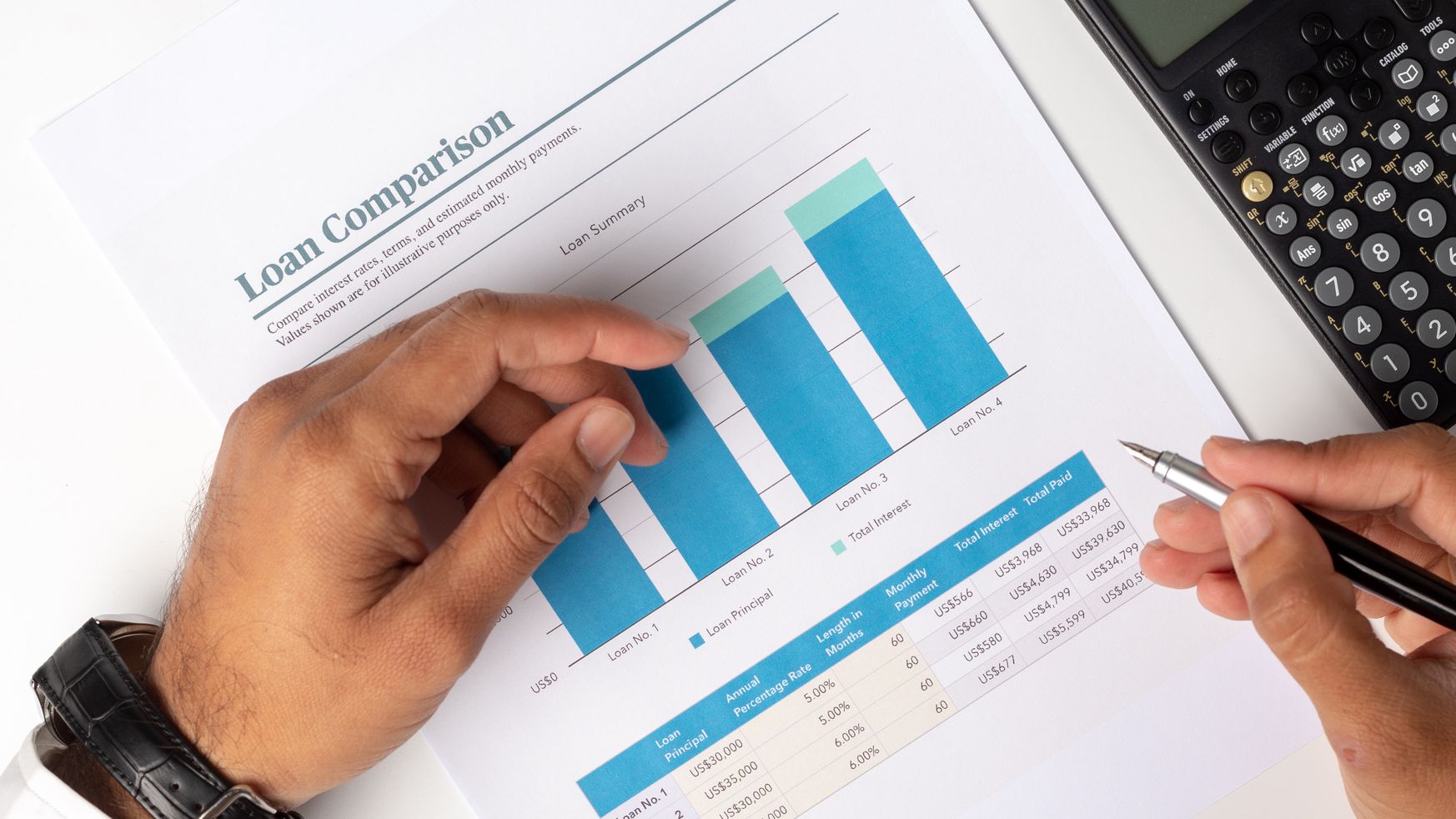
Let’s take a look at how three methods of accessing home equity compare:
- Home equity loans are fixed-rate loans, so you’ll have predictable, set payments throughout the loan’s term.
- HELOCs are revolving credit lines that you can draw from, repay and reuse. They offer flexibility, but variable rates mean your payments can change over time.
- A cash-out refinance replaces your existing mortgage with a new, larger loan, resetting your interest rate and loan terms.
Since many homeowners are locked into ultra-low mortgage rates, refinancing tends to be a less attractive option right now.
Swipe to scroll horizontallyOption
How it works
Rate type
Best for
Key drawback
Home Equity Loan
Lump sum paid back over time
Fixed
Predictable costs, one-time expenses (e.g., roof)
Paying interest on the full amount immediately
HELOC
Revolving credit line you draw from
Variable (some offer fixed-rate segments)
Ongoing or uncertain expenses (e.g., phased renovation)
Payments can rise; "Draw period" ends and triggers full repayment
Cash-out Refinance
Replaces your existing mortgage
Fixed (usually)
Accessing very large sums; consolidating a high-rate 1st mortgage
Closing costs ($5k–$10k+) and resetting your entire loan term
Timing matters more than most borrowers realize
Timing matters when tapping your home equity. Rates could fall later in 2026, but that’s far from certain. Waiting might help you secure a lower rate, but it could also work against you if home values decline or lending standards tighten.
The key is balancing timing with necessity. If you’re facing a time-sensitive expense, such as an urgent home repair or education costs, waiting for a better rate may not be practical.
How to decide if borrowing is right for you
This simple checklist can help you decide if borrowing against your home equity is right for you:
- Do you have a clear purpose? Tapping home equity is risky, so make sure that your purpose justifies that risk.
- Can you comfortably afford payments? With your home as collateral, you risk foreclosure if you can’t make the payments.
- Are you choosing the right product? Be sure you understand the pros and cons of each home equity product to choose the one that’s best for your situation.
- Have you compared lenders? Rates, terms and loan costs can vary from lender to lender. Compare quotes from multiple mortgage lenders to find the best option.
Think beyond access to equity
Home equity can be a powerful financial tool, but it comes with real risk. Because your home is on the line, it’s important to borrow with a clear purpose and a plan to manage the payments.
The decision isn’t just about whether you can access the funds. It’s about whether using your equity supports your broader financial goals and makes sense given today’s rates and market conditions.
Related Content
- HELOC Rules Are Changing in 2026
- 4 Ways To Use Your Home Equity To Boost Your Retirement
- What Home Equity Is and Why It's a Valuable Long-Term Investment
- How a Home Equity Line of Credit (HELOC) Works
 Paige CerulliContributor
Paige Cerulli is a freelance journalist and content writer with more than 15 years of experience. She specializes in personal finance, health, and commerce content. Paige majored in English and music performance at Westfield State University and has received numerous awards for her creative nonfiction. Her work has appeared in The U.S. News & World Report, USA Today, GOBankingRates, Top Ten Reviews, TIME Stamped Shopping and more. In her spare time, Paige enjoys horseback riding, photography and playing the flute. Connect with her on LinkedIn.