- Home
- Personal Finance
- Spending
- Leisure
- Travel
Don't let soaring airfares and flight disruptions upend your summer vacation plans. These steps can help.
 By
Martha C. White
published
7 June 2026
in Features
By
Martha C. White
published
7 June 2026
in Features
When you purchase through links on our site, we may earn an affiliate commission. Here’s how it works.
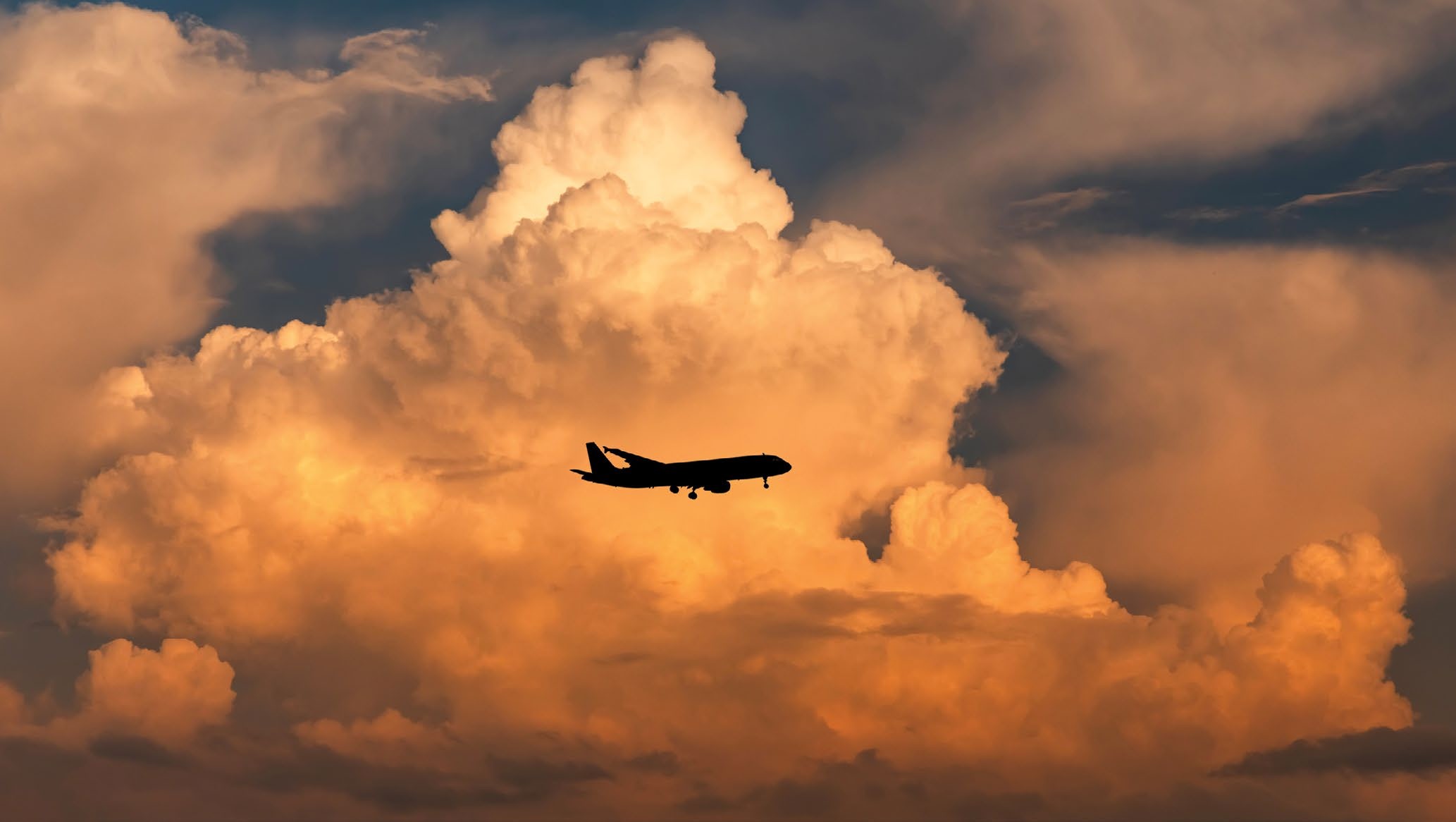 Airplane at sunset on a background of thundercloud
(Image credit: Getty Images)
Airplane at sunset on a background of thundercloud
(Image credit: Getty Images)
- Copy link
- X
This summer, travelers are bracing for more than just the usual heat waves and hurricanes wreaking havoc with their vacation plans. The conflict between the U.S. and Iran has rippled through airline operations across the Middle East and significantly disrupted the global oil market, with scarcer and more expensive jet fuel prompting airlines to charge more and slash schedules at a time of peak demand. A recent survey from Global Rescue, which sells travel insurance and emergency-evacuation services, found that 85% of Americans are now worried that global conflicts may delay or disrupt their travels.
Those concerns come amid a packed U.S. events calendar this summer, including FIFA World Cup games in 11 cities this June and July, and America250 celebrations across the country — events expected to draw millions of tourists. "Lots of moving parts is an understatement," says aviation consultant Robert Mann.
Planning to fly this summer? To protect your wallet, your trip and your sanity, travel pros suggest these steps.
From just $107.88 $24.99 for Kiplinger Personal Finance
Become a smarter, better informed investor. Subscribe from just $107.88 $24.99, plus get up to 4 Special Issues
CLICK FOR FREE ISSUE
Sign up for Kiplinger’s Free Newsletters
Profit and prosper with the best of expert advice on investing, taxes, retirement, personal finance and more - straight to your e-mail.
Profit and prosper with the best of expert advice - straight to your e-mail.
Sign upKeep an eye out for deals.
Domestic airfares are about 18% higher than a year ago, and international flights are up 7.5%, says Katy Nastro, a travel expert at the flight-deals platform Going. On top of that, some airlines — primarily overseas carriers — have imposed or hiked fuel surcharges that can add more than $200 to an economy-class ticket, and most U.S.-based airlines have increased checked-bag fees.
The best way to keep those costs down? Stay loose about when and where you fly, if possible. “Flexibility is going to be your superpower,” Nastro says. As a rule of thumb, the cheapest days to fly are Tuesdays and Wednesdays, while Sundays and Mondays are most expensive, Nastro says.
Also sign up for deal alerts from price-tracking apps such as Skyscanner, Hopper, Kayak and Google Flights. Nastro says it's possible to find prices as low as half off typical fares — though the deepest discounts tend to be in the Southeast or Caribbean, where hurricanes can throw a wrench into summer travel plans.
Shorten your wait time.
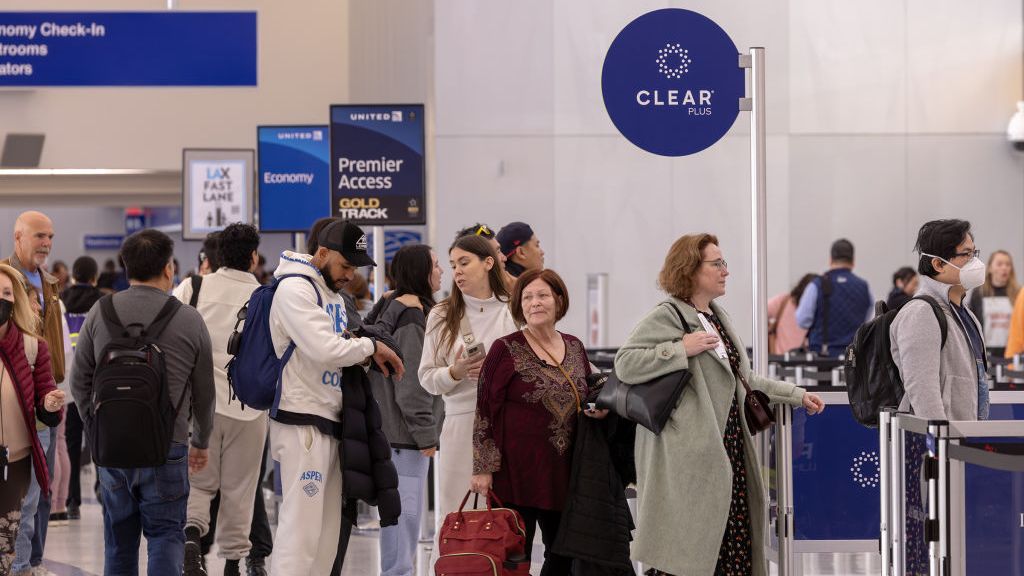
Even without a repeat of this spring's nightmare scenario of four- and five-hour wait times, airport security may be a bottleneck this summer. “TSA is a fixed-capacity system, and when you have peak demand, you're going to have delays,” Mann says.
To avoid them, sign up for a service such as TSA PreCheck or CLEAR+, which let vetted travelers go through an expedited security protocol. Crowdsourced reports from travelers this spring indicate that PreCheck's dedicated security lanes did often move faster when TSA agents were not being paid.
CLEAR+, run by a private service that verifies travelers' identities using a fingerprint or a facial scan, lets travelers skip to the front of the regular or PreCheck security line. It costs $209 a year, which includes PreCheck, while PreCheck alone typically costs $76.75 for five years.
PreCheck can also be combined with Global Entry, which gives international travelers expedited passage through U.S. Customs for $120. Some travel loyalty programs and credit card issuers offer discounts or reimbursements for membership.
Today's Top Luggage Deals
 $8.40View
 $11.99View
 $16.99View
 $17.81ViewSee all prices (72 found)
Book direct.
To save money on spiraling jet-fuel costs, some airlines have begun canceling flights. Your best bet? “Try to book directly with the airline,” Nastro says, because rebooking after a delay or cancellation is easier without a middleman involved.
Also download your airline's app and enable notifications for flight updates. “Right now, travelers have to be their own best advocate, and that starts with staying on top of their reservation,” says Henry Harteveldt, president of Atmosphere Research Group.
If you're flying overseas, Harteveldt also recommends upgrading your mobile phone plan to cover your destination; an hours-long hold time to rebook a flight will be even more painful if you incur long-distance charges.
Be the early bird.

To avoid flight delays and related expenses, be first out of the gate. “Target an early morning flight, and fly nonstop when possible” to avoid the chance of missing a connection, Nastro says. Delays tend to pile up throughout the day, and afternoon thunderstorms — even hundreds of miles away — can snarl schedules.
“Just because it doesn't happen on your route doesn't mean it can't impact your route,” says Scott Fleming, president of Aon Affinity's Travel Practice, a travel insurance provider.
Early flights are also less likely to be full, which can be helpful if you're jockeying for overhead bin space, trying to avoid higher checked-bag fees.
Consider travel insurance.
Travel insurance can be a good investment, especially for long or multifaceted itineraries such as overseas trips, Fleming says. But these policies don't cover every contingency. Common reasons to cancel a trip that typically do qualify include a serious illness or injury befalling you, a traveling companion or a family member; severe weather or natural disasters; and terrorist attacks that occur within a certain time and distance of your trip.
Delays or disruptions due to the conflict in Iran, however, might not make the cut. “For the most part, acts of war are excluded,” Fleming says. Preexisting conditions, medical or geopolitical, typically aren't covered either.
Cancel-for-any-reason policies offer more flexibility — you can just change your mind about the trip, for instance — but there are caveats. You typically have to purchase coverage shortly after booking your travel; payouts can be capped at 50% or 75% of your cost; and reimbursement may come as a credit toward a future trip rather than cash back.
These policies also cost more — typically 9% to 15% of the trip expense, compared with 6% to 10% for standard coverage, Fleming says. But given the higher-than-average possibility of some development disrupting your travel this summer, the extra protection may be worth it.

Travel Insurance From Faye
Faye Insurance offers travel insurance with 100% digital claims and real-time support, allowing you to file claims, access assistance and track your coverage from one app.
View DealRelated Content
- When Is Travel Insurance Worth It?
- 24 Best Travel Websites and Apps to Find Deals and Save You Money
- How You Can Get Your Money Back When a Vacation Abroad Goes Awry
 Martha C. WhiteContributor
Martha C. White has been a freelance writer for nearly 20 years, concentrating on personal finance, business and the economy. She has written for The New York Times, The Wall Street Journal, CNN, Time, Money, NBC News, Inc., AARP magazine, Slate, Inc., Fast Company, AOL and other outlets.
Her writing spans a broad range of Wall Street and Main Street issues. She has reported on credit and debt, markets and investing, retirement, jobs, real estate, small business, economic policy and business travel, among other topics.
White holds a B.A. in English from Princeton University and lives in New York's Hudson Valley.