- Home
- Investing
- Economy
The May CPI report was released Wednesday morning. Here's what the inflation data shows.
 By
Karee Venema
last updated
10 June 2026
in Features
By
Karee Venema
last updated
10 June 2026
in Features
When you purchase through links on our site, we may earn an affiliate commission. Here’s how it works.
 (Image credit: Getty Images)
- Copy link
- X
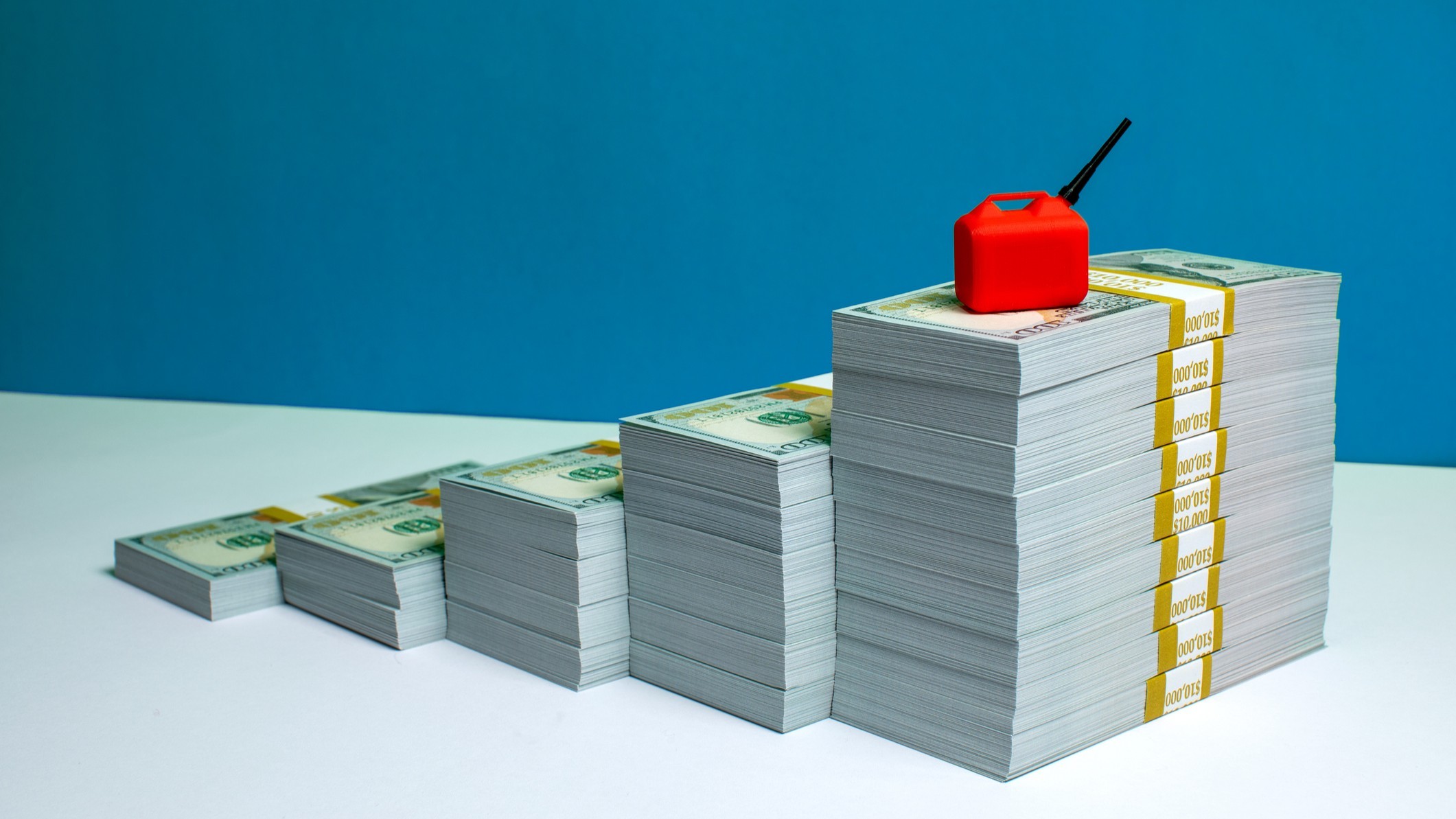
Recent economic reports confirm that the war in Iran, which has caused energy prices to spike, is accelerating inflation. Indeed, the Consumer Price Index (CPI) for May rose at its fastest annual pace in three years.
According to the Bureau of Labor Statistics (BLS), headline inflation was up 0.5% from April to May and 4.2% higher than the year prior. The monthly increase was slower than the 0.6% rise seen in April.
The annual rise signaled an uptick from the 3.8% increase from the month prior and was the highest yearly pace since April 2023. Both figures matched economists' estimates.
From just $107.88 $24.99 for Kiplinger Personal Finance
Become a smarter, better informed investor. Subscribe from just $107.88 $24.99, plus get up to 4 Special Issues
CLICK FOR FREE ISSUE
Sign up for Kiplinger’s Free Newsletters
Profit and prosper with the best of expert advice on investing, taxes, retirement, personal finance and more - straight to your e-mail.
Profit and prosper with the best of expert advice - straight to your e-mail.
Sign upEnergy costs had the biggest impact on the May CPI report. "The index for energy rose 3.9 percent in May, after rising 3.8 percent in April and 10.9 percent in March. The energy index accounted for over sixty percent of the monthly all items increase," wrote the BLS in its report.
Unless something changes in the Middle East, "gasoline and other fuel prices will continue rising in the coming months," writes David Payne, staff economist and reporter for The Kiplinger Letter, in the Kiplinger inflation outlook. "Food prices will also start rising in the future, as one-third of the world's fertilizer supply is produced in the Persian Gulf region, along with 10% of aluminum, used in everything from jets to soda cans."
Higher inflation will make the Federal Reserve more hesitant to lower interest rates — especially amid signs the labor market is stabilizing. According to CME Group FedWatch, futures traders don't expect any rate cuts at all in 2026. Earlier this year, betting odds were for at least one quarter-point cut.
The Federal Open Market Committee may even consider rate hikes this year, notes Payne. "The Fed generally discounts energy price fluctuations in its deliberations on interest rate policy. But the central bank will also note that 'core' inflation (excluding food and energy) is likely to creep upwards as the year progresses," he explains.
What is the CPI?
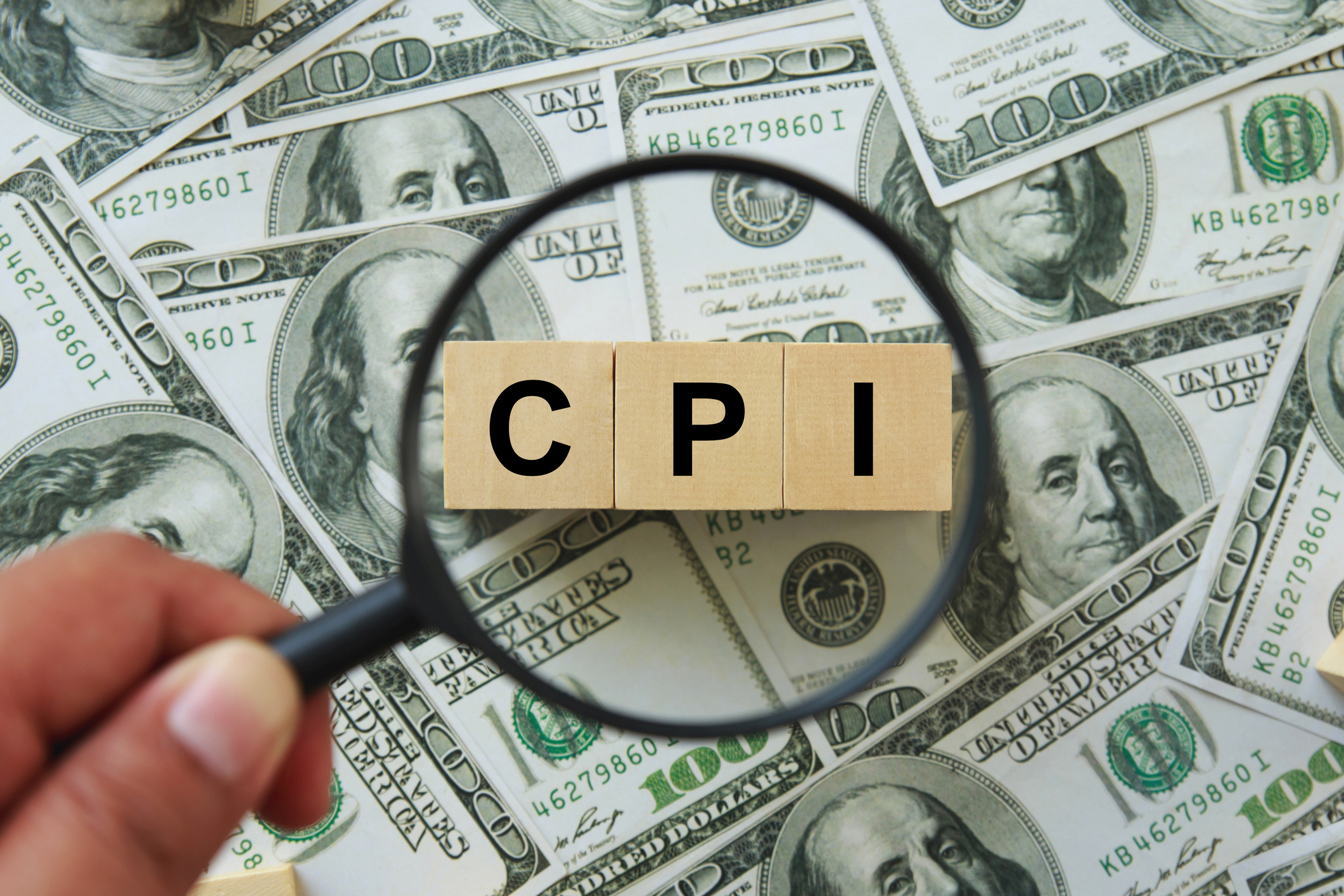
"CPI is a measure of the average price of that basket of goods and services over time," writes Kiplinger contributor Coryanne Hicks. "The specific goods and services within the CPI basket are based on information that around 24,000 families and individuals give the U.S. Bureau of Labor Statistics on what they buy."
The two primary measures of CPI are headline, which is the total inflation rate experienced by households, and core CPI, which excludes volatile food and energy prices.
In May, core CPI was up 0.2% month over month, a downshift from April's 0.4% increase and slower than economists expected. Year over year, core inflation was 2.9% higher, slightly faster than the 2.8% increase from the year prior and in line with estimates.
Prices for airfare, medical care and recreation were all higher in May, while costs for new cars, household furnishings and car insurance were lower.
With the May CPI report on the books, we looked at what economists, strategists and other experts on Wall Street have to say about the data. You'll find their insight, edited at times for brevity, below.
What Wall Street is saying about the May CPI report

"While the recent spike in both headline and core inflation is meaningful and a headwind for the economy and more cyclical sectors, tailwinds from the AI investment cycle, potential benefits from the Big Beautiful Bill, and the lagged impact of Fed rate cuts are all still providing meaningful support. If the Iran conflict drags on and inflationary pressures continue to build, there could come a point where that balance shifts, but we don't see that today." - Tim Urbanowicz, Chief Investment Strategist, Innovator ETFs from Goldman Sachs Asset Management
"It's very possible that things wrap up in the Middle East and shipping gets back to normal over the course of the rest of the year, in which case we can see inflation come down over time and the Fed could hold off raising rates, but if things stay as they are currently, then all bets are off. The stock market has been climbing a wall of worry and has been able to rally on stronger earnings and stable interest rates, but a rising rate environment is another thing altogether." - Chris Zaccarelli, Chief Investment Officer for Northlight Asset Management
"With core measures suggesting more limited price increases and much of the upside coming from oil directly (energy) or indirectly (airfares), today's release suggests that inflationary pressures stemming from the oil price shock have remained manageable for the U.S. economy so far. Cooler core inflation is an encouraging sign for investors, suggesting less of a need for the Federal Reserve to raise interest rates if inflationary pressures stay more contained than previously expected. However, continued uncertainty around the prospects for a durable peace deal and a reopening of the Strait of Hormuz are likely to overshadow today’s positive inflation news given the re-escalation of tensions over the past 72 hours." - Josh Jamner, Senior Investment Strategy Analyst at ClearBridge Investments
"While Wednesday's CPI was in line with expectations, inflation is still elevated and far from the Federal Reserve's 2% target. Once consumer prices rise, it takes time for this trend to reverse. The road back to an inflation rate near the Fed's 2% target will not be immediate is becoming more and more of a fantasy. Rising oil prices are to blame for this inflation, but tariffs are also inflationary and everyday things like food and healthcare costs are reaching unsustainable levels. It's clear that rate cuts are off the table, and while there is chatter about a potential rate hike, we believe it's unlikely that we'll see a rate hike before the midterm elections, and any such hike is likely a year away." - Skyler Weinand, Chief Investment Officer at Regan Capital
"Core prices were in line. The tentative conclusion is that energy is not bleeding into core items. Or at least the leakage is being offset by tariffs passing through. This news should pacify the hawks on the Federal Open Market Committee (FOMC)." - Brad Conger, Chief Investment Officer at Hirtle & Co.
"Today's inflation information does little to resolve the reality that the last mile of inflation has been difficult for the Fed to defeat. The reality is that inflation has been persistently stuck above their 2 percent target for the past few years with little to no progress. The weak labor market has provided the Fed the cover to cut rates despite this reality. With the labor market healing, investors are rightfully pondering if the Fed will have to refocus on actually meeting their inflation mandate." - Brent Schutte, Chief Investment Officer at Northwestern Mutual Wealth Management Company
Related content
- 5 ETFs to Hedge Your Inflation Risk
- The Best Inflation-Proof Investments for Your Portfolio
- Recession-Proof Stocks: Best Stocks to Buy for a Recession
- How to De-Risk Your Portfolio in 5 Different Scenarios
- How Inflation Affects Your Finances and How to Stay Ahead
 Karee VenemaSocial Links NavigationSenior Investing Editor, Kiplinger.com
With over a decade of experience writing about the stock market, Karee Venema is the senior investing editor at Kiplinger.com. She joined the publication in April 2021 after 10 years of working as an investing writer and columnist at a local investment research firm. In her previous role, Karee focused primarily on options trading, as well as technical, fundamental and sentiment analysis.