
- Home
- Business
- Small Business
Expat entrepreneurs can be caught out by cross-border rules on everything from taxes to estate planning. U.S. financial advisers based locally are in a unique position to help.
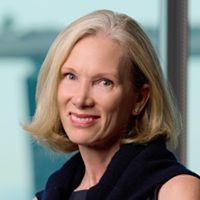 By
Ann Marie Regal
published
19 March 2026
in Features
By
Ann Marie Regal
published
19 March 2026
in Features
When you purchase through links on our site, we may earn an affiliate commission. Here’s how it works.
- Copy link
- X
Profit and prosper with the best of Kiplinger's advice on investing, taxes, retirement, personal finance and much more. Delivered daily. Enter your email in the box and click Sign Me Up.
Contact me with news and offers from other Future brands Receive email from us on behalf of our trusted partners or sponsors By submitting your information you agree to the Terms & Conditions and Privacy Policy and are aged 16 or over.You are now subscribed
Your newsletter sign-up was successful
Want to add more newsletters?

Delivered daily
Kiplinger Today
Profit and prosper with the best of Kiplinger's advice on investing, taxes, retirement, personal finance and much more delivered daily. Smart money moves start here.
Signup +
Sent five days a week
Kiplinger A Step Ahead
Get practical help to make better financial decisions in your everyday life, from spending to savings on top deals.
Signup +
Delivered daily
Kiplinger Closing Bell
Get today's biggest financial and investing headlines delivered to your inbox every day the U.S. stock market is open.
Signup +
Sent twice a week
Kiplinger Adviser Intel
Financial pros across the country share best practices and fresh tactics to preserve and grow your wealth.
Signup +
Delivered weekly
Kiplinger Tax Tips
Trim your federal and state tax bills with practical tax-planning and tax-cutting strategies.
Signup +
Sent twice a week
Kiplinger Retirement Tips
Your twice-a-week guide to planning and enjoying a financially secure and richly rewarding retirement
Signup +
Sent bimonthly.
Kiplinger Adviser Angle
Insights for advisers, wealth managers and other financial professionals.
Signup +
Sent twice a week
Kiplinger Investing Weekly
Your twice-a-week roundup of promising stocks, funds, companies and industries you should consider, ones you should avoid, and why.
Signup +
Sent weekly for six weeks
Kiplinger Invest for Retirement
Your step-by-step six-part series on how to invest for retirement, from devising a successful strategy to exactly which investments to choose.
Signup + An account already exists for this email address, please log in. Subscribe to our newsletter

Young professionals are increasingly building new lives and businesses overseas, drawn by the lifestyle, affordability and opportunity that foreign countries offer.
Increasing numbers of U.S. taxpayers are launching start-ups and consulting firms (paywall), opening cafés and running small tourism ventures everywhere from Mexico to Portugal and Vietnam.
But while the dream is compelling, the reality is complicated.
Article continues belowFrom just $107.88 $24.99 for Kiplinger Personal Finance
Become a smarter, better informed investor. Subscribe from just $107.88 $24.99, plus get up to 4 Special Issues
CLICK FOR FREE ISSUE
Sign up for Kiplinger’s Free Newsletters
Profit and prosper with the best of expert advice on investing, taxes, retirement, personal finance and more - straight to your e-mail.
Profit and prosper with the best of expert advice - straight to your e-mail.
Sign upThe U.S. is one of the few countries that taxes its citizens on worldwide income, meaning new ventures abroad are still very much entangled in the U.S. financial and legal systems.
That's where financial advisers come in. American clients living and working abroad don't just need an investment plan — they need someone who can guide them through the cross-border maze. U.S. CFP® professionals who also live and work abroad are in a unique position to support them.
Here are six of the most important ways they can do so.
About Adviser Intel
The author of this article is a participant in Kiplinger's Adviser Intel program, a curated network of trusted financial professionals who share expert insights on wealth building and preservation. Contributors, including fiduciary financial planners, wealth managers, CEOs and attorneys, provide actionable advice about retirement planning, estate planning, tax strategies and more. Experts are invited to contribute and do not pay to be included, so you can trust their advice is honest and valuable.
Read moreRead less▼1. Entity selection abroad
Forming a limited company in Portugal or registering as self-employed in Hong Kong carries major implications for U.S. taxes. Without planning, clients can end up paying far more than they need to.
Our firm, which is based in Singapore, advised a client who had set up a luxury travel company there. She had chosen a local corporate structure without U.S. input and triggered thousands in additional annual tax liability due to global intangible low-taxed income (GILTI), a U.S. tax on certain foreign earnings of American-owned companies.
We analyzed the U.S. tax consequences of her current business structure and determined the most tax-efficient way to restructure the business from a local and U.S. tax perspective.
2. Navigating retirement savings across borders
Clients are often unsure whether they can keep saving in U.S. retirement accounts when they earn money abroad. Exclusions, treaties and local pension schemes can make things complicated.
One entrepreneur we worked with in Malaysia discovered the mandatory local pension contributions to the country's Employees Provident Fund weren't recognized for U.S. tax purposes as a pension but as taxable income instead.
We helped him restructure the business income to be considered U.S.-based so he could also fund a solo 401(k) and contribute to Social Security.
3. Coordinating estate and succession planning
Many expat entrepreneurs hope to build family businesses, but estate laws abroad can derail succession plans. France, Spain, Portugal and other countries implement "forced heirship" rules that override U.S. wills.
A café owner in France assumed she could leave her shares freely to her spouse. But French law guaranteed her that her two children would receive a large share of the inheritance along with her husband. By coordinating with a local attorney and a cross-border French/U.S. tax firm, we helped her design a plan that respected both her wishes and local law.
4. Managing banking and currency risks
Entrepreneurs abroad know that juggling multiple currencies can affect profitability. Exchange-rate swings, foreign transaction fees and local banking restrictions can eat into margins.
Advisers can help clients set up multi-currency accounts, hedge currency exposure, actively manage cash and educate them to reduce friction when moving money between countries.
Looking for expert tips to grow and preserve your wealth? Sign up for Adviser Intel, our free, twice-weekly newsletter.
Read moreRead less▼5. Spotting overlooked risks
Small business owners abroad face insurance, liability and social security obligations that aren't always obvious.
For example, one client who started a medical consulting firm in Singapore thought that his U.S. liability umbrella policy would cover his risks globally. Advisers can flag these exposures and connect clients with local professionals to close the gaps.
6. Not relying on a single U.S.-based adviser
The most effective model is a coordinated team: A U.S. cross-border adviser who lives and works where their clients are located, paired with local attorneys, expat accountants and specialist consultants. Your adviser back home doesn't fully understand the challenges expats face day-to-day. Things that may be simple in the U.S. become complex abroad.
We worked with an entrepreneur who initially hoped to "keep it simple" with one U.S. based adviser. But once we brought in a local expat accountant and an attorney with global specialization, the tax and legal structure fell into place, saving money and avoiding major compliance risks.
Acting as anchors for clients
Advising clients who start businesses abroad is the next frontier of financial planning.
For these clients, U.S. qualified local financial advisers are anchors, helping globally mobile entrepreneurs steady their finances, navigate competing tax systems and protect the legacies they're working to build.
The American dream is increasingly lived out across borders. Advisers who recognize that shift will guide the next wave of clients who chase opportunity abroad.
Related Content
- I'm a Cross-Border Financial Adviser: 5 Things I Wish Americans Knew About Taxes Before Moving to Portugal
- Moving Abroad? You Might Need a Cross-Border Financial Adviser
- Semi-Retiring Abroad: How to Make Your Living Overseas Dream a Reality
- How to Retire Abroad
- How to Get Dual Citizenship: Pros, Cons and Steps to Take
This article was written by and presents the views of our contributing adviser, not the Kiplinger editorial staff. You can check adviser records with the SEC or with FINRA.
TOPICS Adviser Intel Get Kiplinger Today newsletter — freeContact me with news and offers from other Future brandsReceive email from us on behalf of our trusted partners or sponsorsBy submitting your information you agree to the Terms & Conditions and Privacy Policy and are aged 16 or over. Ann Marie RegalChief Executive Officer, Avrio Wealth Pte Ltd.
Ann Marie is the Chief Executive Officer at Avrio Wealth Pte Ltd. She specializes in working with clients who have U.S. tax connections. Ann Marie is one of the only fee-based American wealth planners in Singapore. She employs an integrated, consultative approach to assist her clients in all areas of wealth planning including Investments, tax, insurance, retirement and estate planning.