- Home
- Retirement
- Estate Planning
Careful estate planning is vital if property you own, such as a former agricultural site or dry cleaners, could be contaminated. Here's how to avoid handing your beneficiaries a huge legal and financial burden.


 By
Amanda J. Kruse, JD, MBA, Rick Kubler, Blaine K. Bengtson
published
25 March 2026
in Features
By
Amanda J. Kruse, JD, MBA, Rick Kubler, Blaine K. Bengtson
published
25 March 2026
in Features
When you purchase through links on our site, we may earn an affiliate commission. Here’s how it works.
- Copy link
- X
Profit and prosper with the best of Kiplinger's advice on investing, taxes, retirement, personal finance and much more. Delivered daily. Enter your email in the box and click Sign Me Up.
Contact me with news and offers from other Future brands Receive email from us on behalf of our trusted partners or sponsors By submitting your information you agree to the Terms & Conditions and Privacy Policy and are aged 16 or over.You are now subscribed
Your newsletter sign-up was successful
Want to add more newsletters?

Delivered daily
Kiplinger Today
Profit and prosper with the best of Kiplinger's advice on investing, taxes, retirement, personal finance and much more delivered daily. Smart money moves start here.
Signup +
Sent five days a week
Kiplinger A Step Ahead
Get practical help to make better financial decisions in your everyday life, from spending to savings on top deals.
Signup +
Delivered daily
Kiplinger Closing Bell
Get today's biggest financial and investing headlines delivered to your inbox every day the U.S. stock market is open.
Signup +
Sent twice a week
Kiplinger Adviser Intel
Financial pros across the country share best practices and fresh tactics to preserve and grow your wealth.
Signup +
Delivered weekly
Kiplinger Tax Tips
Trim your federal and state tax bills with practical tax-planning and tax-cutting strategies.
Signup +
Sent twice a week
Kiplinger Retirement Tips
Your twice-a-week guide to planning and enjoying a financially secure and richly rewarding retirement
Signup +
Sent bimonthly.
Kiplinger Adviser Angle
Insights for advisers, wealth managers and other financial professionals.
Signup +
Sent twice a week
Kiplinger Investing Weekly
Your twice-a-week roundup of promising stocks, funds, companies and industries you should consider, ones you should avoid, and why.
Signup +
Sent weekly for six weeks
Kiplinger Invest for Retirement
Your step-by-step six-part series on how to invest for retirement, from devising a successful strategy to exactly which investments to choose.
Signup + An account already exists for this email address, please log in. Subscribe to our newsletter
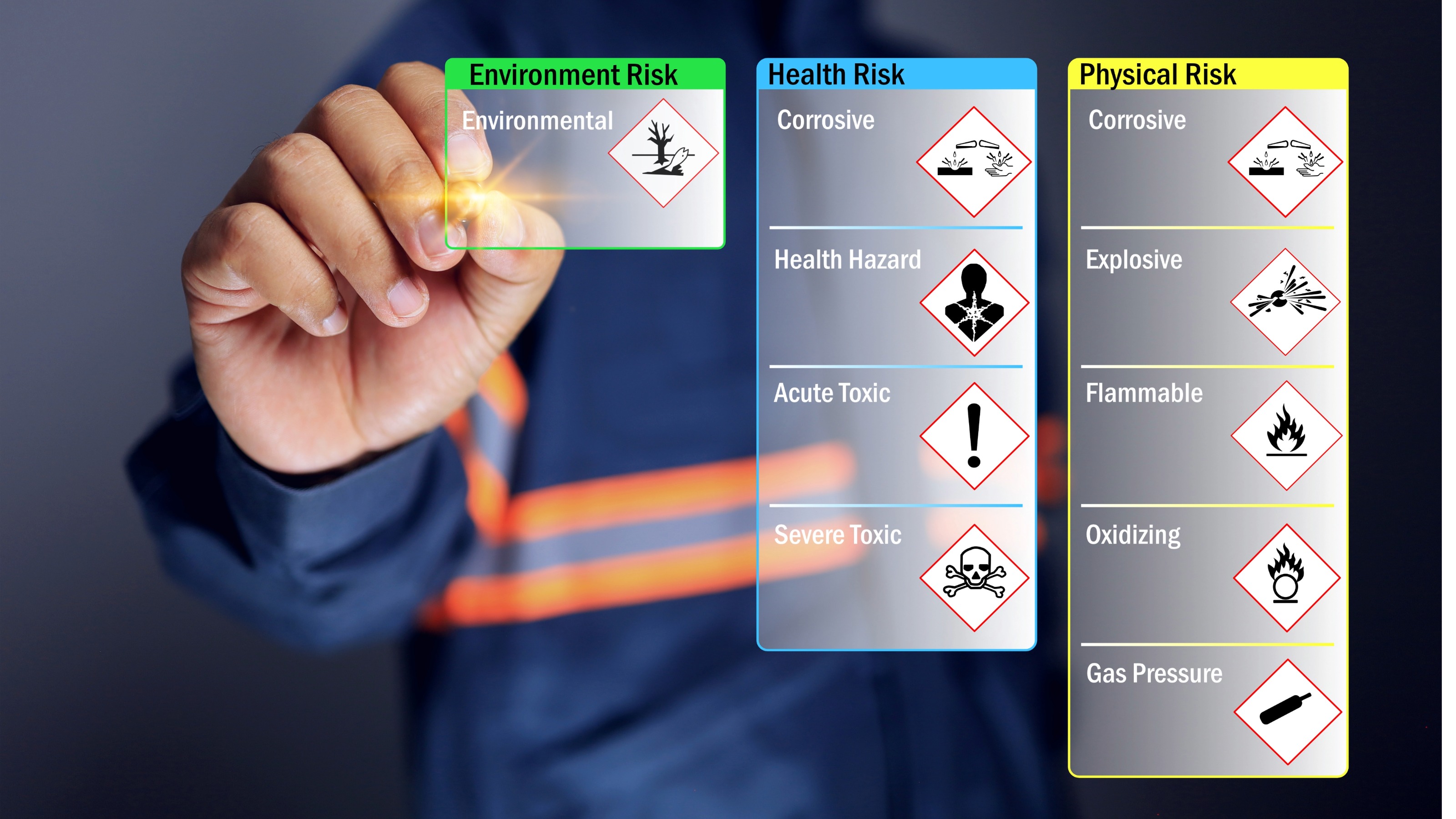
Environmental issues can significantly complicate estate planning, particularly when real property carries a risk of contamination.
Contaminated properties — such as former industrial, agricultural or commercial sites, like gas stations or dry cleaners — may come with hidden liabilities for beneficiaries or fiduciaries administering trusts or estates.
Unresolved environmental issues can lead to decreased property value, substantial regulatory fines or penalties, costly remediation obligations, and difficulties transferring or selling the property.
Article continues belowFrom just $107.88 $24.99 for Kiplinger Personal Finance
Become a smarter, better informed investor. Subscribe from just $107.88 $24.99, plus get up to 4 Special Issues
CLICK FOR FREE ISSUE
Sign up for Kiplinger’s Free Newsletters
Profit and prosper with the best of expert advice on investing, taxes, retirement, personal finance and more - straight to your e-mail.
Profit and prosper with the best of expert advice - straight to your e-mail.
Sign upThese environmental liabilities can transform what seems like a straightforward bequest into a problematic environmental inheritance, where cleanup costs or legal exposure may outweigh the value of the property received.
The legal framework
Environmental concerns in estate planning are underscored by environmental laws such as the Comprehensive Environmental Response, Compensation, and Liability Act (CERCLA), also known as the federal Superfund law.
This imposes strict liability, with only limited, narrow defenses, on owners and operators of contaminated property — as well as on parties that generated or transported hazardous substances released there — for the costs to investigate and remediate contamination. Many states also have their own "mini-Superfund" laws that are similar to CERCLA.
Notably, when contaminated property impacts other persons or property, environmental risk for those inheriting the property does not end with CERCLA. Trusts, estates and beneficiaries may also face liability under common law, including nuisance, trespass, strict liability or negligence.
Depending on the extent of contamination, costs to investigate and remediate a property can be significant, turning inherited real property into a substantial financial and legal burden.
About Adviser Intel
The author of this article is a participant in Kiplinger's Adviser Intel program, a curated network of trusted financial professionals who share expert insights on wealth building and preservation. Contributors, including fiduciary financial planners, wealth managers, CEOs and attorneys, provide actionable advice about retirement planning, estate planning, tax strategies and more. Experts are invited to contribute and do not pay to be included, so you can trust their advice is honest and valuable.
There is no exception to liability for trusts under CERCLA. Thus, if contaminated property is held in trust, the trust may be liable as an owner under CERCLA or the common law for the costs of investigating and remediating the property. These environmental liabilities may be recoverable from trust assets, potentially reducing the assets available to beneficiaries.
For estates of individuals who personally owned contaminated property at their death, CERCLA liability does not disappear upon the owner's death. Instead, liability remains with the individual's estate, and remediation costs are recoverable against assets of the estate.
Fortunately for those who inherit contaminated property, CERCLA provides a potential "innocent landowner" defense to liability, but only if certain conditions are met. To qualify, beneficiaries must exercise due care with respect to the contamination, which includes investigating the condition of the property and taking reasonable steps to prevent further releases of contamination.
Generally, fiduciaries, such as personal representatives of estates or trustees, are not personally liable for environmental liabilities merely because they serve in that capacity.
However, these fiduciaries can become liable if they fail to exercise reasonable care or act beyond their authority with respect to management or operation of contaminated property.
But even well-intentioned fiduciaries may find themselves unable to make the property productive or distribute assets if environmental regulations require remediation before any other use, creating a substantial administrative burden, added expense and potential personal exposure.
Managing and mitigating environmental concerns in estate planning
There are several actions that can be taken to minimize or mitigate environmental risks while preparing an estate plan.
Property owners should work with their estate planning attorney to proactively address potential environmental issues within their estate planning documents so that risks are identified early and uncertainty is reduced later.
For example, when transferring real property to a trust, due diligence should be completed before the trust accepts property. If contamination is present or suspected, consider having the owner place the property in a limited liability company (LLC).
Trust instruments can also incorporate specific powers and protections. Planners may grant the trustee the power to inspect, investigate, remediate, abandon, or refuse property when conditions warrant such action. Additional risk management provisions may include:
- Incorporating protective language in the trust agreement that limits the trustee's liability for environmental conditions and authorizes the use of trust assets to pay for legal, consulting, and remediation expenses
- Providing indemnification for the trustee from the beneficiaries for environmental liabilities
- Empowering the trustee to take necessary steps to investigate or remediate contamination using trust assets, and without requiring unanimous approval from beneficiaries
Looking for expert tips to grow and preserve your wealth? Sign up for Adviser Intel, our free, twice-weekly newsletter.
For estates, the personal representative should keep the estate open and retain sufficient assets to satisfy any remedial obligations until environmental issues are fully resolved. Beneficiaries should conduct thorough environmental due diligence before accepting potentially contaminated property.
This may include conducting Phase I and Phase II environmental site assessments (testing), reviewing historical uses of the property for activities commonly associated with contamination, and identifying any known contamination or regulatory actions.
By taking these investigative steps, beneficiaries can make an informed decision about whether to accept or reject ownership of the property. They can also better understand the property's environmental conditions and take the steps necessary to prevent further contamination and avail themselves of the innocent landowner defense under CERCLA.
When investigating environmental conditions of properties, stakeholders should also determine whether liability insurance coverage may be available for claims arising out of historical releases of pollution. Although most modern liability insurance policies contain pollution exclusions, many older policies did not.
In addition, pollution legal liability coverage may be available now to address unknown "legacy" first and third-party contamination issues. Thus, depending on the circumstances of coverage, insurance policies may be a useful means of mitigating environmental risk and liability for trusts and estates and their beneficiaries.
Ultimately, engaging experienced legal counsel and environmental professionals is essential. Careful planning, proactive investigation and well-crafted language in estate planning documents help ensure that environmental concerns do not overwhelm the estate or trust or burden beneficiaries with unforeseen liabilities.
Rick Kubler is a partner with Lathrop GPM LLP. He has over 30 years of experience in advising public and private clients on the acquisition, disposition and redevelopment of Brownfield sites and associated environmental due diligence, risk assessment and liability considerations. He is currently involved in many significant cleanup and redevelopment projects.
Blaine Bengtson is an attorney with Lathrop GPM LLP who focuses his practice on environmental law, including regulatory compliance, transactional and real estate issues and litigation. Blaine's environmental work involves representing clients on matters related to the Clean Water Act (CWA), Comprehensive Environmental Response, Compensation and Liability Act (CERCLA), the Resource Conservation and Recovery Act (RCRA) and the Clean Air Act (CAA), among others.
Amanda Kruse is an attorney in the Private Client Services Group at Lathrop GPM LLP. She develops comprehensive estate and wealth planning strategies tailored to individuals and multigenerational families with significant assets. Her practice includes guiding clients through probate and estate settlement, trust administration and tax return preparation. Amanda also assists in resolving complex trust, estate and tax disputes.
Related Content
- Is Air Pollution Harming Your Health and Home Value?
- Inherited a House? Here's How to Decide What to Do With It
- The Seven Worst Assets to Leave Your Kids or Grandkids
- Will Your Children's Inheritance Set Them Free or Tie Them Up?
- What Will Happen to Your Business When You Retire? How to Exit Successfully and Thrive in Retirement
This article was written by and presents the views of our contributing adviser, not the Kiplinger editorial staff. You can check adviser records with the SEC or with FINRA.
TOPICS Adviser Intel Get Kiplinger Today newsletter — freeContact me with news and offers from other Future brandsReceive email from us on behalf of our trusted partners or sponsorsBy submitting your information you agree to the Terms & Conditions and Privacy Policy and are aged 16 or over. Blaine K. BengtsonSocial Links NavigationCounsel, Lathrop GPM LLP
Blaine Bengtson is an attorney with Lathrop GPM LLP who focuses his practice on environmental law, including regulatory compliance, transactional and real estate issues and litigation. Blaine's environmental work involves representing clients on matters related to the Clean Water Act (CWA), Comprehensive Environmental Response, Compensation and Liability Act (CERCLA), the Resource Conservation and Recovery Act (RCRA) and the Clean Air Act (CAA), among others. Blaine is a member of the firm's PFAS team, where he helps monitor state and federal regulation of PFAS, assists clients in assessing their potential liability and litigates claims involving PFAS.