- Home
- Personal Finance
- How To Save Money
- Family Savings
Oil prices are rising fast. Learn where costs will hit next and how to save on travel, gas and everyday expenses before summer demand peaks.
 By
Paige Cerulli
published
4 April 2026
in How Tos
By
Paige Cerulli
published
4 April 2026
in How Tos
When you purchase through links on our site, we may earn an affiliate commission. Here’s how it works.
- Copy link
- X
Profit and prosper with the best of Kiplinger's advice on investing, taxes, retirement, personal finance and much more. Delivered daily. Enter your email in the box and click Sign Me Up.
Contact me with news and offers from other Future brands Receive email from us on behalf of our trusted partners or sponsors By submitting your information you agree to the Terms & Conditions and Privacy Policy and are aged 16 or over.You are now subscribed
Your newsletter sign-up was successful
Want to add more newsletters?

Delivered daily
Kiplinger Today
Profit and prosper with the best of Kiplinger's advice on investing, taxes, retirement, personal finance and much more delivered daily. Smart money moves start here.
Signup +
Sent five days a week
Kiplinger A Step Ahead
Get practical help to make better financial decisions in your everyday life, from spending to savings on top deals.
Signup +
Delivered daily
Kiplinger Closing Bell
Get today's biggest financial and investing headlines delivered to your inbox every day the U.S. stock market is open.
Signup +
Sent twice a week
Kiplinger Adviser Intel
Financial pros across the country share best practices and fresh tactics to preserve and grow your wealth.
Signup +
Delivered weekly
Kiplinger Tax Tips
Trim your federal and state tax bills with practical tax-planning and tax-cutting strategies.
Signup +
Sent twice a week
Kiplinger Retirement Tips
Your twice-a-week guide to planning and enjoying a financially secure and richly rewarding retirement
Signup +
Sent bimonthly.
Kiplinger Adviser Angle
Insights for advisers, wealth managers and other financial professionals.
Signup +
Sent twice a week
Kiplinger Investing Weekly
Your twice-a-week roundup of promising stocks, funds, companies and industries you should consider, ones you should avoid, and why.
Signup +
Sent weekly for six weeks
Kiplinger Invest for Retirement
Your step-by-step six-part series on how to invest for retirement, from devising a successful strategy to exactly which investments to choose.
Signup + An account already exists for this email address, please log in. Subscribe to our newsletter
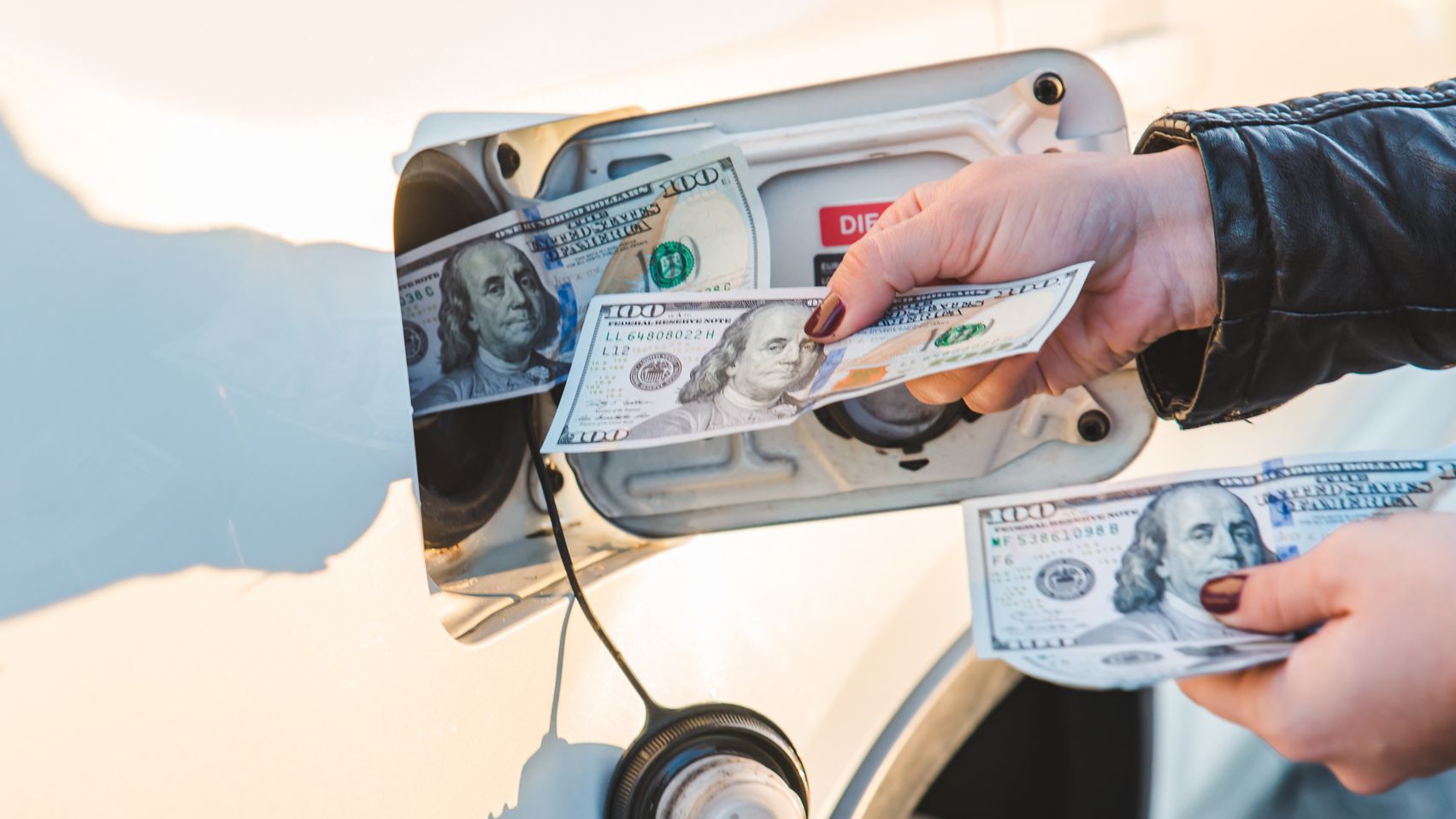
Oil markets are reacting quickly to the Iran conflict, but consumers tend to feel the impact more gradually. According to the International Energy Agency, the conflict has created a significant disruption in global oil supply.
After recent remarks from President Donald Trump suggesting the disruption could extend for weeks, concerns about supply have intensified. The Strait of Hormuz — a key global shipping route for oil — has seen limited access, pushing crude prices higher and lifting costs for fuel-related goods.
Because pricing moves through multiple stages before reaching consumers, there’s often a delay before higher oil prices fully show up in your budget. That timing matters: as summer travel demand increases, those costs are likely to build rather than fade.
From just $107.88 $24.99 for Kiplinger Personal Finance
Become a smarter, better informed investor. Subscribe from just $107.88 $24.99, plus get up to 4 Special Issues
CLICK FOR FREE ISSUE
Sign up for Kiplinger’s Free Newsletters
Profit and prosper with the best of expert advice on investing, taxes, retirement, personal finance and more - straight to your e-mail.
Profit and prosper with the best of expert advice - straight to your e-mail.
Sign upWhy the impact hasn't fully hit your wallet yet
You may have noticed you're paying more to fill up your car or heat your home, but the full impact of rising oil prices has not reached your wallet yet.
That is because oil pricing does not move all at once. According to the American Petroleum Institute, prices flow through several stages, from crude oil to refining, then shipping and finally retail. Crude prices can change daily based on supply, demand and geopolitical events, but it takes time for those increases to filter through the system.
In other words, what you are seeing now may only be the early stages of a broader price shift.
That delay creates a small but important window to act. Knowing that higher costs tend to build over time, not hit all at once, gives you a chance to make a few strategic moves before summer demand pushes prices even higher.
Where you may see prices rise first this summer
As fuel demand rises this summer, prices are likely to follow. Seasonal shifts in travel and consumption typically push costs higher, especially for:
- Gas stations and road trips
- Airfare and travel packages
- Delivery, shipping and service fees
- Groceries and seasonal goods
You can prepare for and avoid some of the greatest impacts of these price hikes by preparing now.
1. Book summer travel before fuel costs rise further

Since airlines adjust pricing based on fuel costs, flight prices tend to rise as summer approaches. If you are planning a trip, booking early may help you avoid some of those peak increases.
When booking in advance, look for flexible fares that allow you to change or cancel your flight if needed. These options can help you avoid steep fees and often provide a credit for future travel. While flexible fares may cost more upfront, they can offer added peace of mind if your plans change.
Price tracking tools can also help you time your purchase. Platforms like Google Flights and Skyscanner make it easier to compare fares across airlines and monitor price changes, so you know when to book.
2. Compare travel options beyond flying

Before you book a flight, compare all of your travel options. Higher summer demand, combined with rising fuel costs, can put additional pressure on airfare.
Consider alternatives such as a train or road trip, and compare total costs to find the option that works best for your budget. "Instead of flying, I planned a birding trip by rail and turned the journey into part of the experience," says Carla Ayers, eCommerce and Personal Finance Editor at Kiplinger.com. "I will use rewards points for a rental car when I arrive, which helps offset costs, and I get to enjoy the scenery along the way."
Planning ahead becomes more important when prices are elevated. Map out your route and itinerary in advance, and book lodging early so you have a clear picture of your total costs. Be sure to factor in meals, snacks and other expenses, and track your spending as you go to stay on budget.
If you are driving, small efficiency adjustments can help reduce fuel costs. Removing unnecessary items from your trunk or taking off a roof rack can improve fuel efficiency and lower what you spend at the pump.

Get practical help to make better financial decisions in your everyday life, from spending to savings on top deals. Subscribe to Kiplinger's free newsletter, A Step Ahead.
3. Plan for higher gas costs during peak driving season

Higher gas prices are inevitable during peak driving season, and they’ll impact your summer plans. As fuel prices climb, the impact extends beyond the pump. Transportation, shipping and packaging costs all tend to increase, and those changes gradually make their way into the prices you pay for everyday goods.
Because these costs filter through the system over time, the biggest increases often show up weeks later, not overnight.
Consider how frequently purchased items, such as groceries and household staples, may be affected and plan accordingly. Buying shelf-stable goods in advance or stocking up on items you regularly use can help you avoid paying higher prices later as costs continue to rise.
4. Watch for rising delivery and convenience fees
Fuel surcharges often show up indirectly through higher delivery and convenience fees. Many service-based businesses pass these costs on to customers, and they can add up quickly.
To limit the impact, look for ways to reduce how often you rely on delivery. Consolidating purchases or placing fewer, larger orders can help. You might also consider picking up food orders instead of using delivery services.
You can also offset some fuel costs at the pump by using store loyalty discounts or cash back credit cards.

Kiplinger Top Cards for Cash Back Perks
From groceries and gas to dining and travel, cash back cards let you save on everyday spending. See Kiplinger’s top cash back credit card picks, powered by Bankrate. Advertising disclosure.
View Offers
5. Time large purchases before prices adjust
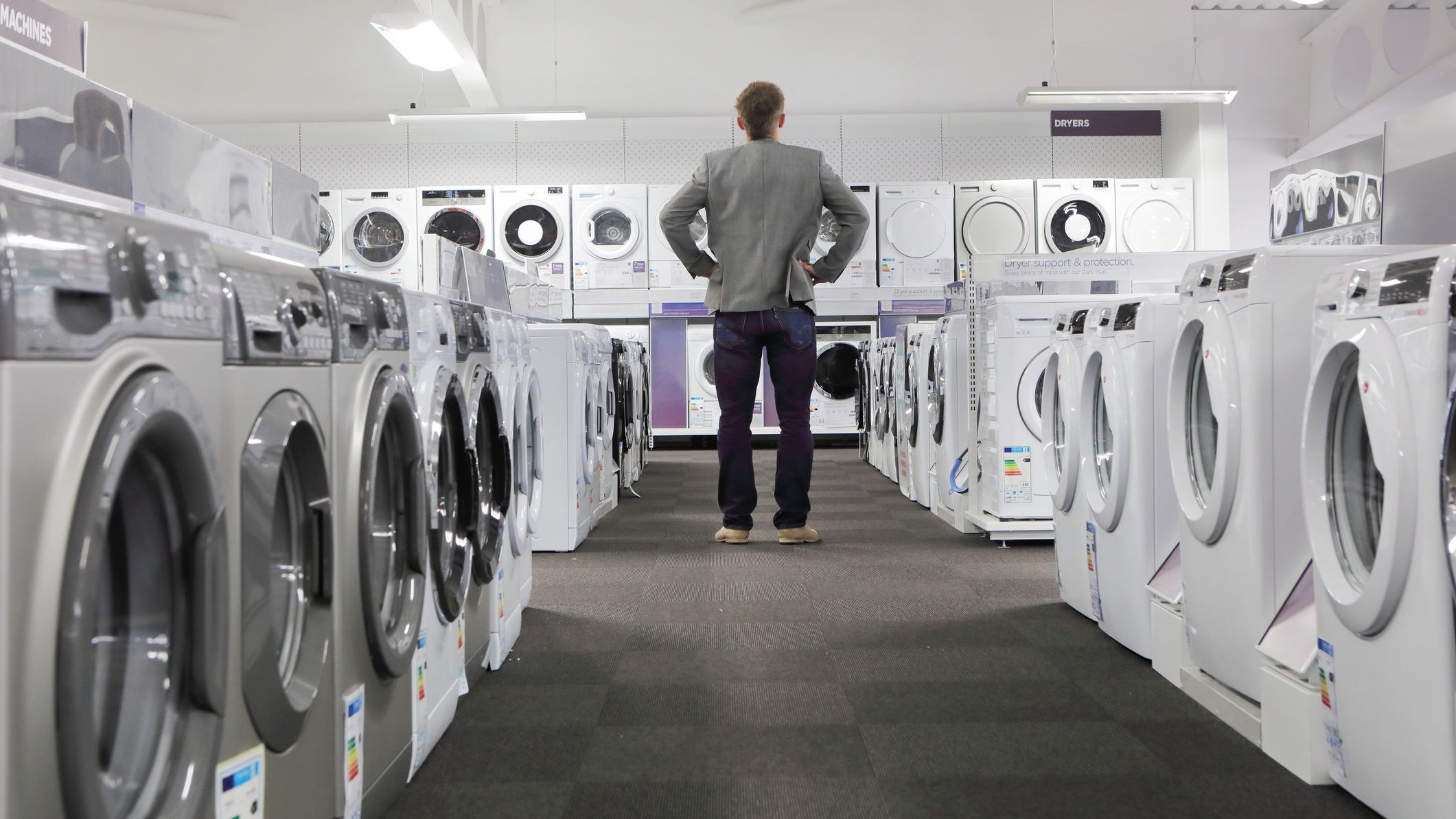
Furniture, appliances and other shipped goods are likely to become more expensive if oil prices continue to rise. If you are planning to make a large purchase this summer, buying sooner rather than later may help you avoid those increases.
This may also be a good time to top off your home heating oil, if your budget allows. Prices could remain elevated later in the season when many households begin preparing for fall.
Retailers often adjust prices as new inventory arrives, so purchasing seasonal items now may help you lock in lower costs. If a purchase is already on your list, timing it strategically can make a difference.
Why diesel is the signal to watch
You're probably watching gas prices at the pump, but diesel is often the more important signal. Diesel fuels trucks, rail and much of the supply chain, so changes in diesel prices tend to show up more in the cost of goods and services.
According to the American Automobile Association (AAA), the national average for regular gas is about $4.09 per gallon, while diesel has climbed to roughly $5.53. A year ago, those prices were closer to $3.26 for regular and $3.64 for diesel, highlighting how quickly fuel costs have escalated.
That gap matters. Diesel prices tend to rise faster during supply disruptions, and those increases are often passed through to consumers in the form of higher shipping, food and retail costs. In many cases, a sustained rise in diesel is an early signal that broader price increases are still working their way through the economy.
Rising oil prices and summer demand can amplify costs
Rising oil prices are already taking effect, but their full impact is often delayed. As summer drives higher demand for travel and energy, those costs are likely to build gradually rather than all at once. That means the price increases you are seeing now may only be the beginning.
Making small, early decisions can help offset those rising costs. Planning ahead, adjusting spending habits and timing key purchases can all make a difference as prices continue to move higher.
Related Content
- Costco Vacation Deals: Are They Worth It?
- The SKI Travel Trend Is Reshaping Retirement Spending
- You Might Already Qualify for a Second Passport but the Cost May Surprise You
 Paige CerulliContributor
Paige Cerulli is a freelance journalist and content writer with more than 15 years of experience. She specializes in personal finance, health, and commerce content. Paige majored in English and music performance at Westfield State University and has received numerous awards for her creative nonfiction. Her work has appeared in The U.S. News & World Report, USA Today, GOBankingRates, Top Ten Reviews, TIME Stamped Shopping and more. In her spare time, Paige enjoys horseback riding, photography and playing the flute. Connect with her on LinkedIn.