- Home
- Retirement
- Retirement Planning
Is your "forever home" actually a "Peter Pan house?" The age-in-place dream often hits these three unexpected roadblocks.
 By
Donna Fuscaldo
published
4 April 2026
in Features
By
Donna Fuscaldo
published
4 April 2026
in Features
When you purchase through links on our site, we may earn an affiliate commission. Here’s how it works.
- Copy link
- X
Profit and prosper with the best of Kiplinger's advice on investing, taxes, retirement, personal finance and much more. Delivered daily. Enter your email in the box and click Sign Me Up.
Contact me with news and offers from other Future brands Receive email from us on behalf of our trusted partners or sponsors By submitting your information you agree to the Terms & Conditions and Privacy Policy and are aged 16 or over.You are now subscribed
Your newsletter sign-up was successful
Want to add more newsletters?

Delivered daily
Kiplinger Today
Profit and prosper with the best of Kiplinger's advice on investing, taxes, retirement, personal finance and much more delivered daily. Smart money moves start here.
Signup +
Sent five days a week
Kiplinger A Step Ahead
Get practical help to make better financial decisions in your everyday life, from spending to savings on top deals.
Signup +
Delivered daily
Kiplinger Closing Bell
Get today's biggest financial and investing headlines delivered to your inbox every day the U.S. stock market is open.
Signup +
Sent twice a week
Kiplinger Adviser Intel
Financial pros across the country share best practices and fresh tactics to preserve and grow your wealth.
Signup +
Delivered weekly
Kiplinger Tax Tips
Trim your federal and state tax bills with practical tax-planning and tax-cutting strategies.
Signup +
Sent twice a week
Kiplinger Retirement Tips
Your twice-a-week guide to planning and enjoying a financially secure and richly rewarding retirement
Signup +
Sent bimonthly.
Kiplinger Adviser Angle
Insights for advisers, wealth managers and other financial professionals.
Signup +
Sent twice a week
Kiplinger Investing Weekly
Your twice-a-week roundup of promising stocks, funds, companies and industries you should consider, ones you should avoid, and why.
Signup +
Sent weekly for six weeks
Kiplinger Invest for Retirement
Your step-by-step six-part series on how to invest for retirement, from devising a successful strategy to exactly which investments to choose.
Signup + An account already exists for this email address, please log in. Subscribe to our newsletter
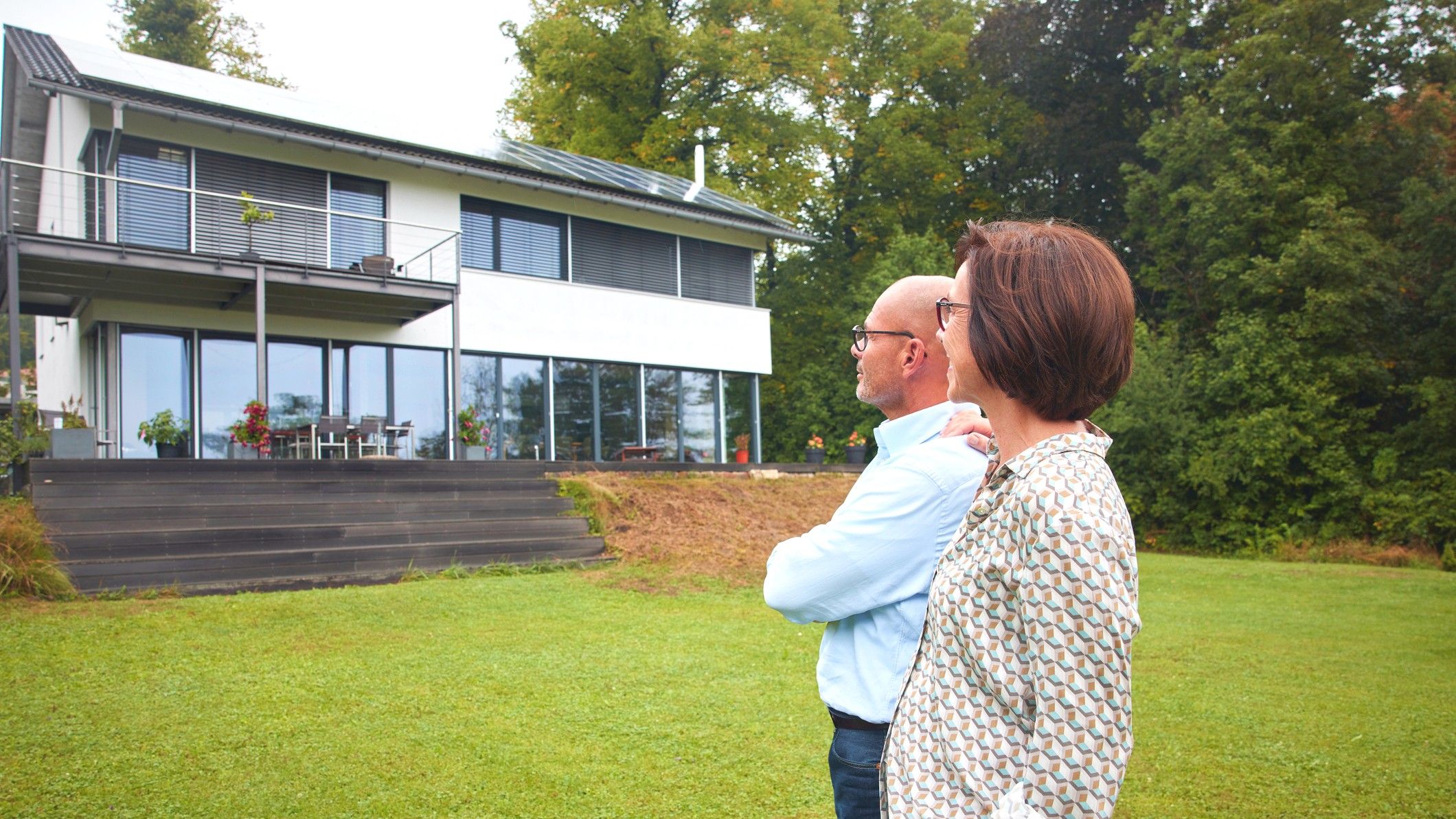
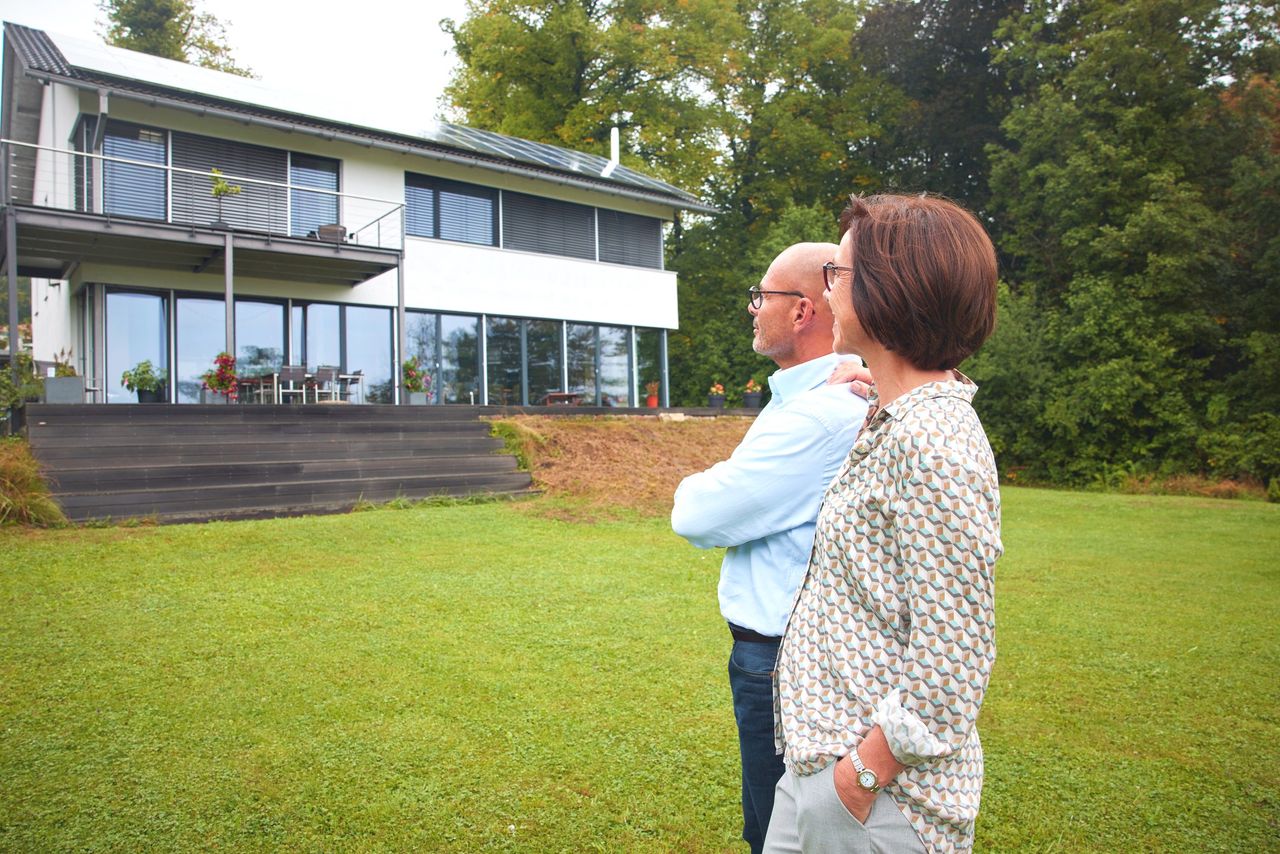
Drew Carrington and his wife thought they had purchased their forever home nearly six years ago during the height of the pandemic. Carrington, a managing director at iCapital, and his wife had lived all over the country before deciding their final destination would be the mountains of Georgia.
They purchased a home in a massive, 8,000-acre golf course community that boasts 35 miles of hiking trails, a fitness center and a cadre of amenities retirees dream about. With the kitchen and primary suite on the first floor, the Carringtons thought they had found the perfect setup.
But now, at age 61 — with retirement drawing closer — Carrington and his wife are rethinking that. While they still want to age in place, they aren't so sure their "forever home" will suffice.
From just $107.88 $24.99 for Kiplinger Personal Finance
Become a smarter, better informed investor. Subscribe from just $107.88 $24.99, plus get up to 4 Special Issues
CLICK FOR FREE ISSUE
Sign up for Kiplinger’s Free Newsletters
Profit and prosper with the best of expert advice on investing, taxes, retirement, personal finance and more - straight to your e-mail.
Profit and prosper with the best of expert advice - straight to your e-mail.
Sign up"It is beautiful here. We don't have anything bad to say about the community or the mountains of North Georgia, but we observed two or three things that we didn't anticipate when we bought the place," Carrington said. "While the master bedroom and kitchen are on the main floor, there is a bunch of stuff that is downstairs, like the laundry room and both home offices." With Carrington's wife potentially needing a knee replacement in the future, navigating those stairs could become a major hindrance to her mobility.
Then there is the remoteness. The house sits at 2,200 feet in elevation, and the last half-mile of their driveway climbs another 800 feet. There are no sidewalks in the community; to go for a walk or bike ride, they have to drive to the trails. They are also 40 minutes away from doctors and the nearest hospital. If they need a specialist, it’s an hour-long drive to Atlanta. While the couple hasn’t listed the house yet, they have reached a difficult conclusion: this likely isn’t their forever home anymore.
"Whatever your plan, don't write it in ink. Life has a funny way of throwing curveballs," Carrington said. "Whatever your top priority is today might be different five years down the road. You have to think really hard about what is truly important versus what is just nice to have.'"
Aging in place isn't so cut and dry
When it comes to retiring, many homeowners want to age in place. After all, "home is where the heart is" couldn't be truer for Americans across the country.
A recent Pew Research survey highlighted this sentiment: 60% of respondents who own a home want to stay put. The reasons vary. For some, it’s about maintaining community ties or proximity to family and friends. For others, staying in a long-time residence provides a sense of emotional security and financial stability that a new environment simply may not offer.
However, while aging in place is a common dream, it isn't always achievable. Certain roadblocks can spell trouble for a retirement nest egg and overall quality of life. Healthcare and housing costs are among the largest outlays in retirement; with spending spikes common in the early years, your budget can easily be thrown off course.
"We observe that 60% of households (based on anonymized Chase data) are volatile spenders — meaning their spending jumps up or down greater than 20% per year during the first three years of retirement," said Michael Conrath, Chief Retirement Strategist, J.P. Morgan Asset Management. "Health care and housing costs can cause large spending spikes, so you need to prepare and have enough savings on hand to prepare for what-if situations."
Even if you have the cash to cover any surprises in retirement, there is more to aging in place you need to consider, including these three critical questions.
Here are three questions to ask before you decide to age in place.
1. Will your home still serve you as you age, or is it a 'Peter Pan' house?
One of the most fundamental questions you need to ask when deciding if you should age in place is whether your house is functional for old age, both cognitive and physical, or is it what is known as a "Peter Pan" place.
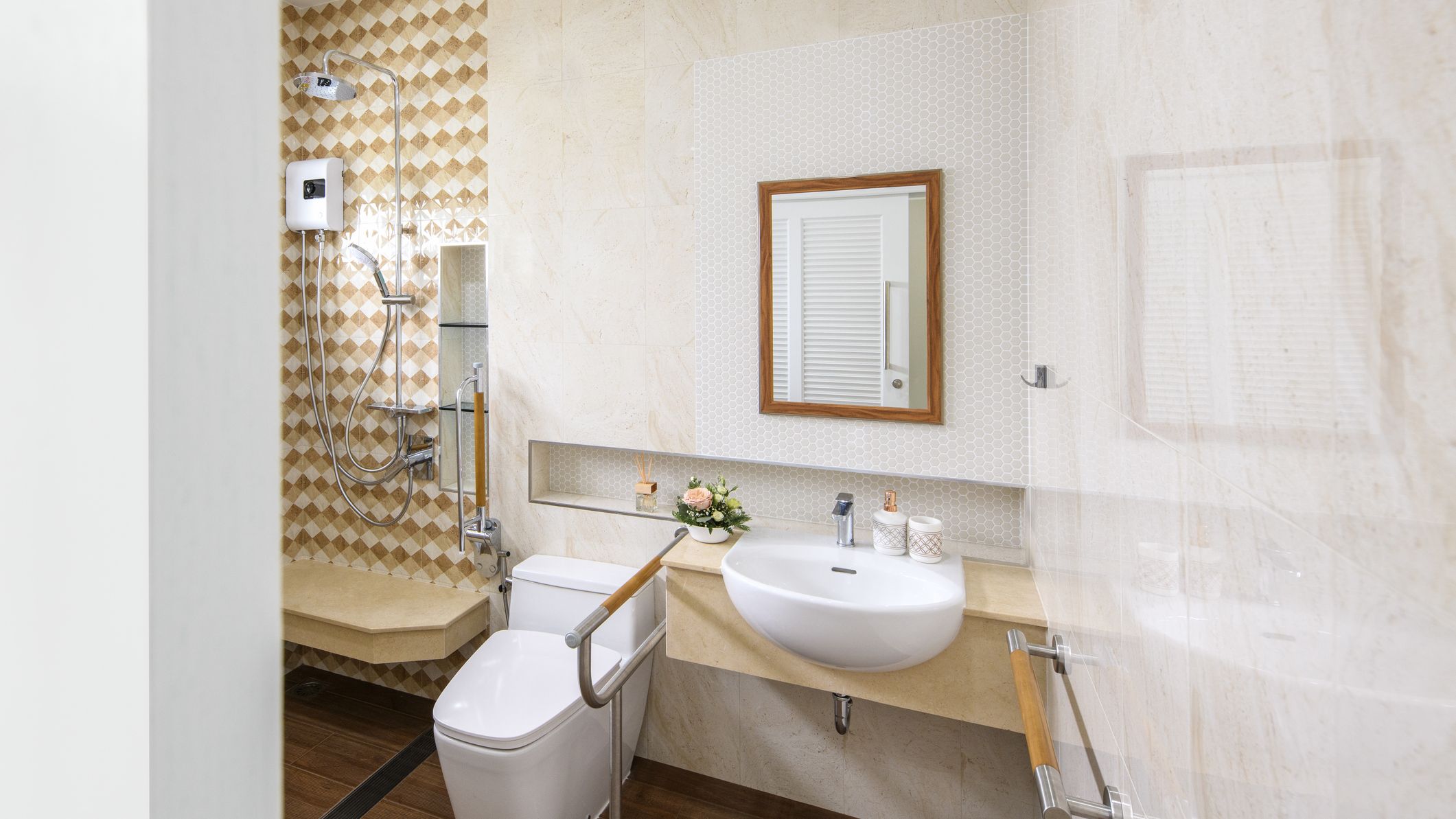
Coined by Jon Pynoos, a professor emeritus of gerontology at the University of Southern California, a Peter Pan home is one built for people who will never get old. These houses typically have multi-levels or stairs, narrow hallways, inaccessible bathrooms and inadequate lighting. Homes with floating stairs, no banisters and no bedroom on the first floor may also be a problem. They aren’t designed to prevent falls or provide independence as you age.
"Many homes require modifications to ensure safety and accessibility, and at times, it can result in significant construction and installation costs," said Conrath. If you have a Peter Pan home, you have to prepare for these costs and potential pitfalls in advance, he said.

Five Design Hacks to Make Your Home More Age-Friendly
2. Will I have access to quality health care?
You may be healthy when you retire and rarely visit the doctor, but that can change as you age. As we get older, we are more prone to falls and illnesses that could require more medical care. If your home is far from a hospital, like the Carringtons', that may be a red flag that aging in place isn't the ideal situation.
"We don’t always know the particular ailments that will affect us at old age, and while I don’t think it’s possible to really game plan for all of them, proximity to a hospital would be a really good initial indicator," said David Blanchett, head of retirement research at Prudential.
Even if you are OK with being farther from doctors and hospitals, can you afford the costs of driving and/or transportation?
3. Is it the right environment to grow old in?
Are you staying in your home because it's where you raised your children and is filled with memories, even though everyone has flown the coop? Or does your decision to stay put come from wanting to be close to family, friends and your community? If the answer is the latter, then aging in place could be for you.
When you retire, you'll have much more free time on your hands, and if you are isolated or lack the support of your family, friends or community, then loneliness may derail your retirement.
But it's not only that. Is the location convenient to get to stores, restaurants, entertainment and places of worship? Will you be able to handle the weather if your region gets a lot of snow in the winter or faces extreme heat or wildfires in the summer?
"Is the home by the things and/or people you want in close proximity as you get older?" said Blanchett. "This includes friends, family and all the things that really make life fulfilling and ensure you can stay connected."
Nothing is perfect
Ideally, you can answer "yes" to all three questions, but if you can't, it doesn't mean you shouldn't age in place. It simply means you should approach the decision with your eyes wide open, considering variables that could shift over time.
The Carringtons are currently in the sorting phase of deciding where they will set down their retirement roots. They know they can't check off every single box, but they want to make a decision that meets both of their long-term requirements.
"Its pretty tough to get something that fulfills all three boxes, especially for the entire duration of retirement," said Blanchett. "Life can be a bit of a hot mess, and I think it’s important to take the right perspective. Honestly addressing these questions can help from a planning perspective."
Get expert retirement strategies and lifestyle insights delivered to your inbox. Subscribe to our free newsletter, Retirement Tips.
Related content
- Should You Skip the Wait and Prepay Your Retirement Dreams?
- How to Plan for Aging in Place: Five Key Factors
- Why Picking a Retirement Age Feels Impossible (and How to Finally Decide)
- Retirement Savings On Track? How Much You Should Have By 60 and 65
 Donna FuscaldoSocial Links NavigationRetirement Writer, Kiplinger.com
Donna Fuscaldo is the retirement writer at Kiplinger.com. A writer and editor focused on retirement savings, planning, travel and lifestyle, Donna brings over two decades of experience working with publications including AARP, The Wall Street Journal, Forbes, Investopedia and HerMoney.